
Planting
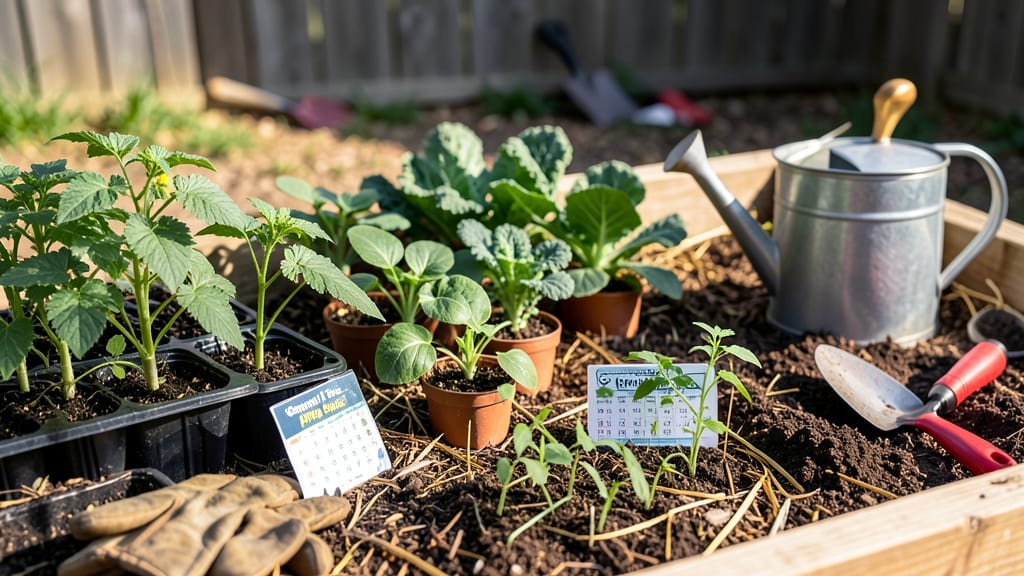
Planting a garden in Central Texas at the right time means the difference between a lush harvest and a sad, wilted mess—especially with our brutal summers and tricky frost dates.
If you’ve ever watched your seedlings turn to crisp under the April sun or struggled to coax greens through a late October chill, you know timing is everything.
The key lies in knowing when to start cool-season crops, when to dive into heat-tolerant plants, and how to stretch your growing season without burning out your soil.
Central Texas’s 8a-9a zone gives us a 200-day frost-free window, but that doesn’t mean every month is fair game. I’ll walk you through the exact planting calendar—from late February’s cool starts to September’s last push—plus how to beat the heat with shade tricks and drought-resistant picks.
By the end, you’ll have a clear, foolproof schedule so you can finally stop guessing and start growing like a pro.
Central Texas planting zones 8a: best months for heat-tolerant vegetables and herbs
Central Texas gardeners in USDA Zone 8a enjoy a long growing season, but timing is everything. The last average frost date is around March 15, while the first frost typically arrives November 15.
This means you have roughly 200 frost-free days to work with—but heat and drought can still derail your garden if you're not careful.
To maximize success, focus on heat-tolerant vegetables and herbs during the peak summer months, while cool-season crops like leafy greens and root vegetables thrive in the milder fall and spring windows. Understanding these planting windows will help you avoid common pitfalls like bolting or wilting under Central Texas sun.
| Plant Type | Best Planting Window | Temperature Threshold | Frost Risk | Notes |
|---|---|---|---|---|
| Heat-Tolerant Vegetables | March 15 - April 30 (spring) or August 1 - September 15 (fall) | 60°F - 95°F (soil temp) | Low (spring) / None (fall) | Tomatoes, peppers, okra, sweet potatoes |
| Cool-Season Vegetables | September 1 - October 15 (fall) or February 1 - March 15 (spring) | 40°F - 75°F (soil temp) | High (spring) / Low (fall) | Lettuce, spinach, broccoli, carrots |
| Herbs | March 1 - April 30 (spring) or August 15 - September 30 (fall) | 50°F - 90°F (soil temp) | None (spring) / Low (fall) | Basil, rosemary, thyme, cilantro (spring/fall) |
| Heat-Resistant Greens | April 15 - May 30 (spring) or August 1 - September 15 (fall) | 65°F - 85°F (soil temp) | None (spring) / Low (fall) | Swiss chard, kale, collard greens |
| Succession Planting | Every 2-3 weeks (spring/fall) | Varies by crop | Low to None | Bush beans, radishes, lettuce |
For spring planting, start with heat-tolerant vegetables like okra and sweet potatoes as soon as the soil warms to 60°F.
These crops thrive in Central Texas heat and can handle 95°F soil temperatures without bolting. Tomatoes and peppers should be planted after April 15 to avoid early-season pests and fungal diseases.
In fall, focus on cool-season crops like broccoli and carrots starting September 1.
These plants establish roots before temperatures drop, ensuring a harvest before the first frost. Herbs like cilantro also perform well in fall, but avoid planting basil after August 15—it won’t survive the cooler nights.
One of my favorite Central Texas gardening hacks is using shade cloth during peak summer (June-August) to protect heat-sensitive seedlings. This extends the growing season for leafy greens and herbs that might otherwise bolt.
Just remove the cloth by September 1 to let plants harden off before cooler weather arrives.
Monitor soil moisture closely during summer months, as Central Texas heat can dry out soil in 24 hours. Mulching with straw or wood chips retains moisture and regulates soil temperature. For container gardens, water every 2-3 days—small pots dry out faster than in-ground beds.
Don’t forget about succession planting! By staggering plantings every 2-3 weeks, you can extend harvests for bush beans and radishes throughout the season. This is especially useful in Zone 8a, where short windows between frost dates demand efficiency.
If you’re new to Central Texas gardening, start with easy heat-tolerant crops like peppers and okra—they forgive minor timing mistakes. For cool-season crops, mark your calendar for September 1 and February 1 to align with ideal planting windows and avoid frost
How to extend your Central Texas growing season with succession planting
Central Texas's short but intense growing season means every week counts. By using succession planting, you can squeeze extra harvests from your garden, even when summer heat threatens to cut things short.
This strategy involves planting crops in staggered intervals rather than all at once, ensuring a continuous supply of fresh produce.
For example, bush beans and okra thrive in Central Texas heat, but planting them in two-week intervals from late April through June keeps your harvest going long after a single planting would have bolted.
The key is matching your planting schedule to the heat tolerance of each crop while avoiding the peak summer months when even drought-resistant plants struggle.
- 1 Start with cool-season crops in early spring (late February-March) like lettuce and spinach, then transition to heat-lovers by April 15 (e.g., peppers, eggplant, and sweet potatoes).
- 2 Use shade cloth (30-50%) from June 15-July 31 to protect leafy greens and herbs from scorching. Remove it by August 15 to allow heat-tolerant crops like okra and black-eyed peas to thrive.
- 3 Plant drought-resistant varieties like Texas Blue Hubbard squash or Cherokee Purple tomatoes in late July for a fall harvest. These varieties handle 90°F+ temps better than traditional types.
- 4 Rotate crops every 3-4 weeks to prevent soil depletion. For example, plant radishes (ready in 25 days) between broccoli rows (ready in 60 days) to maximize space.
- 5 Sow fall crops by September 1 for a winter harvest. Prioritize kale, carrots, and turnips, which tolerate light frosts and even improve in flavor after cold snaps.
Another smart tactic is to interplant fast growers with slow ones. For instance, tuck radishes (ready in 30 days) between cabbage plants (ready in 80 days). The radishes will be harvested long before the cabbage needs full space, and their shallow roots won’t compete for nutrients.
Don’t forget about container gardening for succession planting—it’s perfect for small spaces or urban gardens. You can rotate containers every few weeks, moving them to different sun exposures as needed. For example, basil can start in full sun, then move to partial shade as temperatures rise above 95°F.
Finally, keep a planting journal to track what works in your specific microclimate. Note which varieties bolt early, which handle heat best, and which succession intervals give you the longest harvest.
Over time, you’ll refine your schedule to match your garden’s unique conditions—whether it’s a shady corner or a sunbaked raised bed.