Planting
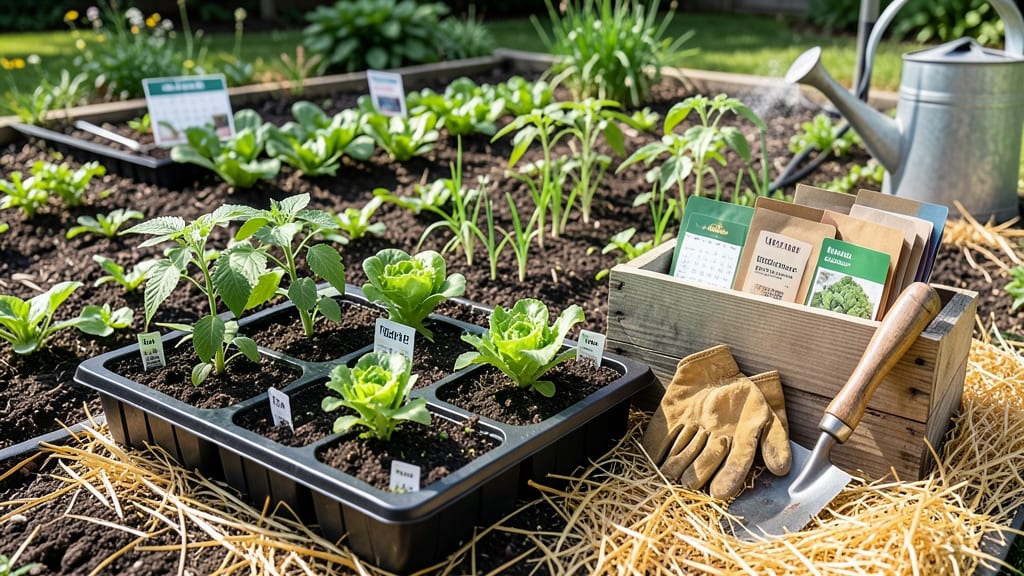
Planting a vegetable garden in Virginia depends on your microclimate—whether you're in the Tidewater coast, Piedmont hills, or Appalachian foothills—because frost dates shift dramatically across the state.
Miss the window by even a few weeks, and you could end up with frost-nipped greens or stunted tomatoes. The key? Timing your cool-season crops 4-6 weeks before your last frost and warm-season crops 2-3 weeks after, adjusted for your exact location.
Virginia’s USDA Zones 6a-8a mean coastal gardeners can start earlier than mountain growers, but unpredictable spring weather throws a wrench into even the best-laid plans. I’ll break down the exact frost-free timelines for each region, plus how to tweak your schedule for unexpected cold snaps or heatwaves.
By the end, you’ll know not just when to plant, but how to extend your growing season with row covers, succession planting, and smart seed-starting—so your 🥕 harvest stays bountiful from spring through fall.
Virginia’s frost-free zones & best planting dates by region
Virginia’s USDA Hardiness Zones range from 5a in the mountains to 8a along the coast, creating dramatic differences in frost dates. The Tidewater region (Zone 8a) enjoys 220 frost-free days, while the Shenandoah Valley (Zone 6a) only has 165 days.
These variations mean your planting schedule should align with your local microclimate, not the state average.
For cool-season crops like kale, peas, and spinach, start seeds 4-6 weeks before your last frost date. Warm-season crops such as tomatoes, peppers, and cucumbers should wait until 2-3 weeks after the last frost.
Below, I’ve broken down planting windows by Virginia’s three main regions: Coastal Plain, Piedmont, and Mountains.
| Region | USDA Zone | Avg. Last Frost | Avg. First Frost | Cool-Season Planting | Warm-Season Planting |
|---|---|---|---|---|---|
| Coastal Plain (Norfolk, Hampton Roads) | 8a | March 1-15 | November 15-30 | Feb 15 - Mar 31 | Apr 15 - May 15 |
| Piedmont (Richmond, Charlottesville) | 7a-7b | March 15-31 | October 31 - Nov 15 | Mar 1 - Apr 15 | May 1 - May 31 |
| Mountains (Roanoke, Blacksburg) | 6a-6b | April 15-30 | October 15-31 | Apr 1 - May 1 | May 15 - June 15 |
In the Coastal Plain, where winters are milder, you can start spinach and carrots as early as mid-February. Meanwhile, gardeners in the Piedmont should wait until mid-March to avoid late spring frosts.
Mountain regions like Roanoke have the latest frost dates, often pushing tomato planting into mid-May.
For fall planting, aim to sow cool-season crops like broccoli and kale by mid-August in the Coastal Plain and by early August in the Piedmont.
Mountain gardeners can extend their season until late August due to cooler temperatures. Always check soil temperatures—most warm-season crops need soil at 60°F+ to thrive.
Local variations matter! For example, Norfolk’s Zone 8a climate allows for year-round greens like collards, while Blacksburg’s Zone 6a requires row covers to protect cabbage from late frosts. Use these guidelines as a starting point, then adjust based on your specific microclimate and weather forecasts.
Pro tip: Bookmark the NOAA Climate Prediction Center for real-time updates on frost risks. If you’re in Zone 7a or below, consider using cold frames or hoop houses to extend your growing season by 4-6 weeks in both spring and fall.
Urban gardeners with containers can also manipulate planting times. Move pots indoors during heatwaves or use heat-tolerant varieties like Malabar spinach for summer harvests. Just remember: container soil dries faster, so water consistently to avoid stressing your plants.
How to adjust planting times for Virginia’s unpredictable weather patterns
Virginia’s unpredictable spring frosts and early fall freezes can turn a perfect planting schedule into a disaster if you’re not prepared. I’ve learned the hard way—skipping a frost warning in Roanoke last April cost me an entire row of tomato seedlings.
The key is flexibility: using tools like row covers, cold frames, and succession planting to stretch your growing season safely.
Start by checking the NOAA Climate Prediction Center for your specific county. Their 14-day frost forecasts are gold for Virginia gardeners. For example, the Tidewater region might have 30 days of frost-free growing before the Piedmont’s 180-day window.
Adjust your seed-starting dates and direct-sowing times based on these local alerts.
⚡ 5 Pro Tips to Beat Virginia’s Weather
- Use row covers to protect cool-season crops (like spinach) from late frosts. Remove when temps hit 50°F.
- Start warm-season seeds (e.g., peppers) indoors 8-10 weeks before your last frost date. Use grow lights if natural light is weak.
- Plant succession crops every 2 weeks for continuous harvests. Example: Sow lettuce in March, April, and August.
- Monitor soil temperatures—most seeds need 60°F+. A soil thermometer ($10) is worth every penny.
- For fall planting, use cold frames to extend harvests into November. Cover kale and carrots by late September.
When deciding between indoor starts and direct sowing, prioritize heat-loving crops like tomatoes and eggplants for indoor prep. These need a longer head start to outpace Virginia’s short growing season.
For fast growers (e.g., radishes, bush beans), direct sow after your last frost—just be ready to cover them at night if forecasts warn of 32°F temps.
Don’t rely solely on calendar dates. I once followed a “plant peas in February” rulebook—only to lose my crop to a March snowstorm in Blacksburg.
Instead, pair local forecasts with plant heat zones. For instance, squash thrives in Zone 7+, but cabbage tolerates Zone 5a’s cooler springs.
For urban gardeners with limited space, container gardening lets you move plants to sheltered spots during frost alerts. Use black plastic mulch to warm soil faster in spring, and straw mulch to insulate roots in fall.
These small tweaks can add 2-4 weeks to your growing season—critical in Virginia’s short summers.
Finally, keep a gardening journal to track your local patterns. Note when frost hits, how rainfall affects soil, and which crops thrive in your microclimate. Over time, you’ll build a custom planting calendar that beats Virginia’s weather every time. 🌱