
Planting
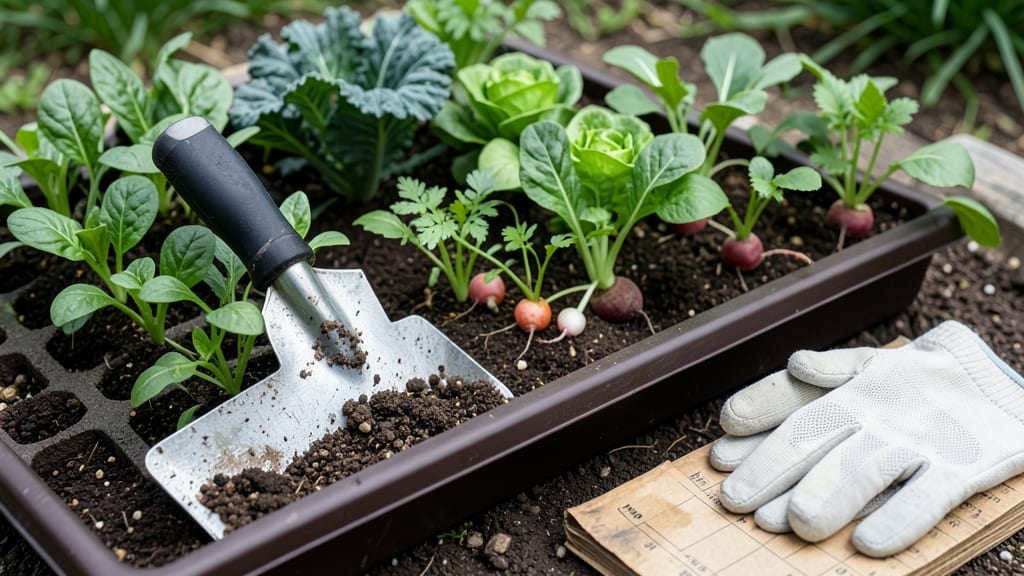
Planting a vegetable garden in New York requires timing it right—spring frost dates vary wildly from the city to upstate, and missing the window means weeks of waiting for harvests.
New York’s unpredictable weather can make timing your vegetable garden a challenge—but planting too early or late can ruin your harvest. Whether you’re in Zone 4 or Zone 7, knowing the last frost date is the key to success.
Cool-season crops like spinach and peas thrive when soil warms to 50°F, while tomatoes and peppers need to wait until after May 15 in most regions. NYC’s microclimates add another layer—urban heat islands can push planting dates earlier, while upstate areas may need to hold off.
Below, I break down the exact frost dates by zone, crop-specific planting windows, and how to adjust for your local conditions. By the end, you’ll know when to start seeds indoors, when to transplant, and how to stretch your growing season.
New York’s frost dates by Zone: when to plant cool vs. warm season crops
New York’s USDA Zones 4-7 create big differences in frost timing—from the late spring freezes of upstate (Zone 4) to the earlier warm-ups in NYC (Zone 7). Getting these dates right means the difference between lush harvests and wilted seedlings.
I’ll break down exactly when to plant your cool-season crops (like spinach and peas) versus warm-season crops (tomatoes and peppers) for each zone, so you can avoid costly mistakes.
First, let’s clarify the two critical frost dates: the average last spring frost (when it’s safe to plant warm-season crops) and the first fall frost (when cool-season crops must be in the ground). In New York, these dates can shift by 2-4 weeks depending on your zone.
For example, Zone 4 (like Buffalo) often sees frost until May 15, while Zone 7 (Long Island) might be frost-free by April 15. These variations mean your planting schedule should adjust accordingly.
Below is your zone-by-zone planting guide, including exact weeks to plant and which crops thrive in each window. Pro tip: Use row covers or cold frames to extend seasons by 2-4 weeks in cooler zones.
| Zone | Last Spring Frost | First Fall Frost | Cool-Season Crops (Plant) | Warm-Season Crops (Plant) |
|---|---|---|---|---|
| Zone 4 (Upstate: Buffalo, Syracuse) | Mid-May (May 10-15) | Mid-October (Oct 10-15) | Spinach, Peas, Lettuce (April 1-May 1) | Tomatoes, Peppers (May 20-June 1) |
| Zone 5 (Capital Region, Hudson Valley) | Early-May (May 1-5) | Late September (Sep 25-Oct 1) | Kale, Radishes, Carrots (March 20-April 15) | Cucumbers, Eggplants (May 10-May 20) |
| Zone 6 (Long Island, NYC outskirts) | Late-April (Apr 25-May 1) | Early October (Oct 1-5) | Broccoli, Cabbage (March 1-April 10) | Beans, Corn (May 1-May 15) |
| Zone 7 (NYC, Long Island coast) | Early-April (Apr 10-15) | Mid-October (Oct 10-15) | Peas, Lettuce (Feb 20-March 15) | Peppers, Okra (April 20-May 1) |
For Zone 4 gardeners, cool-season crops like spinach and peas should go in by April 1 to avoid frost damage. Wait until May 20 to plant tomatoes and peppers, as soil temperatures need to reach 60°F+ for these heat-lovers to thrive.
In Zone 7, you can start peas in late February and enjoy two harvests—one in spring and another in fall.
One of my biggest mistakes early on was planting warm-season crops like cucumbers too soon in Zone 5. The soil was still cold, and my plants wilting within days. Now, I use a soil thermometer to confirm 60°F+ before planting.
For cool-season crops, I’ve learned to plant succession crops every 2 weeks—this ensures a steady harvest instead of one big bounty followed by nothing.
Fall planting is just as critical. In Zone 6, I plant kale and carrots by August 15 to harvest before the first frost. In Zone 4, I push the envelope with row covers to extend harvests until October 15.
If you’re in Zone 7, you can even squeeze in a second planting of beans in early July for a late-summer harvest.
Remember: Microclimates matter. A south
Crop-specific planting timeline: what to sow in New York by month
Timing is everything in New York gardening, where last spring frosts can hit as late as May 15 in Zone 4 and first fall frosts arrive by October 15 in Zone 7.
To maximize your harvest, I’ve broken down the best months to plant 12 essential vegetables, plus succession planting tips for continuous yields.
Start with cool-season crops like spinach and peas in early spring, then transition to warm-season favorites like tomatoes and peppers after Memorial Day. For succession planting, sow quick-growing crops like lettuce every 2 weeks to avoid gaps in your harvest.
- March: Onions (from sets), peas, spinach (Zone 6-7 only). Use row covers to protect from late frosts.
- April: Lettuce, kale, radishes, carrots. Harden off seedlings before transplanting.
- May: Broccoli, cauliflower, cucumbers (after last frost). Start tomato and pepper seedlings indoors 6-8 weeks early.
- June: Beans, squash, corn (direct sow after soil warms to 60°F). Plant basil for summer flavors.
- July: Succession plant lettuce, spinach, radishes for fall harvest. Transplant cabbage for late-summer growth.
- August: Garlic (for next year), turnips, beets. Sow cover crops like clover to protect soil.
- September: Kale, brussels sprouts, fennel. Use cold frames to extend harvests into October.
For succession planting, focus on crops with short harvest windows like radishes (30 days) or bush beans (50 days).
I recommend sowing lettuce every 10-14 days from April through August to ensure a steady supply. Beans and cucumbers thrive in summer heat but need consistent moisture—aim for 1 inch of water per week.
In Zone 4 (Upstate NY), wait until mid-May for warm-season crops, while Zone 7 (Long Island/NYC) can start tomatoes and peppers by early May. Always check soil temperature—most seeds need 50°F+ to germinate, while tomatoes prefer 60°F+.
Don’t forget fall planting! Spinach and peas can tolerate light frosts and even taste sweeter after a 28°F chill. For a winter garden, use row covers to protect crops until December in milder zones.
Pro tip: Mark your calendar for Memorial Day weekend—this is your cue to plant heat-loving crops like squash and okra. And if you’re new to gardening, start with easy crops like lettuce or radishes for instant gratification!