
Planting
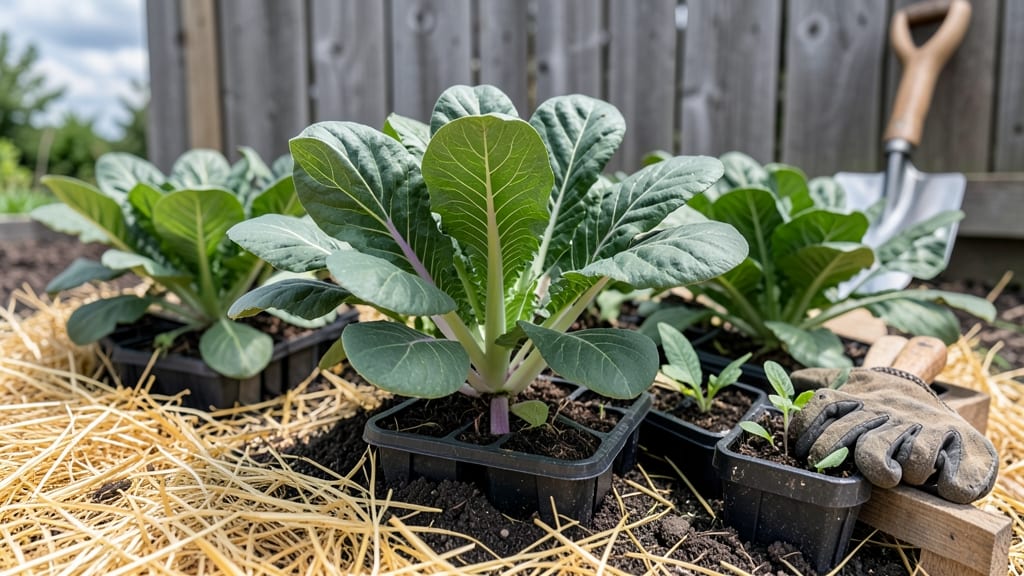
Planting a fall garden in Mississippi means timing your crops to thrive before the first frost hits—typically between mid-August and early October for most cool-season vegetables.
Mississippi’s long, hot summers can trick gardeners into thinking fall planting is too late—but timing your fall garden just right means harvesting crisp greens and hearty roots before winter’s first frost. With precise planting dates, you can beat the heat, avoid pests, and enjoy a thriving garden until December.
This guide breaks down the exact planting windows for leafy greens, root vegetables, and herbs, tailored to Mississippi’s USDA zones 7b–8a. Whether you’re in the Delta, Gulf Coast, or North Mississippi hills, you’ll learn how to adjust for local soil conditions and microclimates.
Discover the top 5 fall crops that thrive in Mississippi’s climate, when to start seeds indoors, and how to extend your harvest season with row covers and mulch. Ready to grow a productive fall garden? Let’s get started.
Mississippi fall planting calendar: exact dates by crop for frost-free harvests
Mississippi’s fall garden thrives when you plant leafy greens, root vegetables, and brassicas at the right time—typically between mid-August and early October. The key is beating the November 15–December 15 frost window in zones 7b–8a while avoiding summer’s scorching heat.
Start with heat-tolerant varieties like 'Black Seeded Simpson' lettuce or 'Winterbor' kale, which handle late-summer soil temps better than standard types.
Succession planting is your secret weapon. Instead of planting everything at once, stagger seeds every 2–3 weeks to ensure a continuous harvest. For example, plant radishes in early September for a quick crop, then follow with spinach in late September to mature before frost.
This method also reduces pest pressure by keeping plants at different growth stages.
Soil prep is non-negotiable. Mississippi’s clay-heavy soils need compost or aged manure mixed in 4–6 inches deep to improve drainage. Aim for a pH of 6.0–7.0—most fall crops thrive in slightly acidic to neutral soil. Test your soil in early August so you have time to amend before planting.
| Crop Type | Planting Window | Heat-Tolerant Varieties | Days to Maturity | Succession Tip |
|---|---|---|---|---|
| Leafy Greens (Lettuce, Spinach) | Aug 15–Sep 15 | 'Black Seeded Simpson', 'Winter Density' | 30–50 days | Plant every 10 days |
| Root Vegetables (Carrots, Radishes) | Sep 1–Oct 1 | 'Danvers Half Long', 'Cherry Belle' | 25–60 days | Thin seedlings weekly |
| Brassicas (Kale, Broccoli) | Aug 1–Sep 10 | 'Winterbor', 'Calabrese' | 50–70 days | Use row covers for frost |
| Herbs (Cilantro, Dill) | Sep 15–Oct 10 | 'Slowbolt', 'Bouquet' | 30–45 days | Harvest leaves only |
Herbs like cilantro and dill bolt quickly in Mississippi’s heat, so plant them in partial shade or use shade cloth to buy time. Start seeds indoors in late July for a head start, then transplant seedlings to the garden by mid-September.
This two-step approach ensures you avoid the worst heat while still enjoying fresh herbs.
For slow-growing crops like broccoli or Brussels sprouts, begin seeds indoors 6–8 weeks before your last frost date. Mississippi’s zone 7b–8a gardeners should start these by mid-July for transplanting in early September.
Use grow lights if your indoor space lacks natural light, and harden off seedlings for 7–10 days before moving them outside.
Watering shifts in fall. While summer calls for deep, daily watering, fall crops need consistent moisture without soggy soil. Water in the morning to reduce fungal risks, and mulch with straw or leaves to retain moisture.
Reduce watering frequency as temps drop—every 2–3 days is ideal in October.
Pest pressure drops in fall, but aphids and cabbage worms may still target brassicas. Use neem oil or row covers for prevention. For leafy greens, rotate crops annually to break disease cycles.
If you notice yellowing leaves on lettuce, it’s often a sign of bolting—pull and replant with a more heat-tolerant variety.
Extend your harvest window with row covers and cold frames. Lightweight frost blankets can protect tender greens until December 15, while cold frames let you harvest spinach and kale even in light frosts.
In North Mississippi (zone 7b), expect earlier frosts—plan to harvest by November 1 for most crops unless you use protection.
Mississippi State University Extension recommends checking their local frost date maps for real-time adjustments. Bookmark their fall gardening guides for variety-specific tips, and join local gardening groups to share updates on microclimate variations in your area.
With these dates and strategies, your fall garden will be bountiful, pest-free, and ready for harvest before winter sets in.
How to adjust planting times for Mississippi’s microclimates and soil conditions
Mississippi’s diverse regions—from the humid Delta to the cooler North Hills—create unique challenges for fall gardeners. The Gulf Coast stays warmer longer, while the Delta’s heavy clay soils drain poorly, and the Pine Belt’s sandy loam dries out fast.
Even within 50 miles, your soil temperature and frost dates can shift by weeks, making timing everything.
Your first step is checking your local frost dates—Mississippi’s average first frost ranges from November 15 in the North to December 15 along the Gulf Coast. But don’t rely on averages!
Use the Mississippi State Extension’s frost calculator to pinpoint your exact zone. For example, Jackson (Zone 8a) has a 10-day later frost window than Tupelo (Zone 7b).
Soil temperature is just as critical. Most cool-season crops thrive when soil drops below 85°F but stays above 50°F. Use a soil thermometer to test—if it’s still 90°F+, wait 2–3 weeks before planting leafy greens or broccoli.
In the Delta, where soils stay warm longer, start radishes or turnips in early September, while North Mississippi gardeners can wait until mid-September.
- Delta Region: Plant heat-tolerant lettuce (like 'Black Seeded Simpson') by August 20 for harvest before frost. Use mulch to cool soil faster.
- Gulf Coast: Extend seasons with row covers—start spinach as late as October 1 and protect until December 10.
- North Hills: Prioritize fast-maturing crops (e.g., bush beans, radishes) planted by September 1 to avoid early frosts.
- Pine Belt: Amend sandy soils with compost to retain moisture. Plant kale or carrots by September 15 for winter harvests.
- All Regions: Avoid bolting by choosing long-day onion varieties and shade cloth for late-planted greens.
Mississippi’s rainfall patterns also demand adjustments. The Delta often sees heavy September rains, which can drown seedlings. Use raised beds or container gardens to improve drainage. In contrast, the North Hills may experience early droughts—install drip irrigation to keep soil consistently moist without overwatering.
Don’t underestimate the power of season extenders. A lightweight row cover can push harvests back by 2–3 weeks, while black plastic mulch warms soil for early spring-planted crops like peas.
For heat-sensitive greens, try shade cloth (30–50%) to reduce stress. My go-to trick? Plant lettuce under trellised cucumbers—the cucumbers provide shade while fixing nitrogen into the soil.
Common mistakes to avoid: overwatering (which causes fungal diseases like downy mildew) and planting too late (leading to small, bitter harvests). For example, broccoli planted after October 1 in the North Hills rarely matures before frost.
Instead, opt for successive plantings every 2 weeks from August 15 to September 15 to stagger harvests.
Pro tip: Keep a gardening journal to track your local microclimate. Note which varieties thrive, when frost hits early, and how mulch affects soil temps. Next year, you’ll be the neighborhood expert on fall gardening in Mississippi—no more guesswork, just crisp harvests until Christmas! 🌱