
Planting
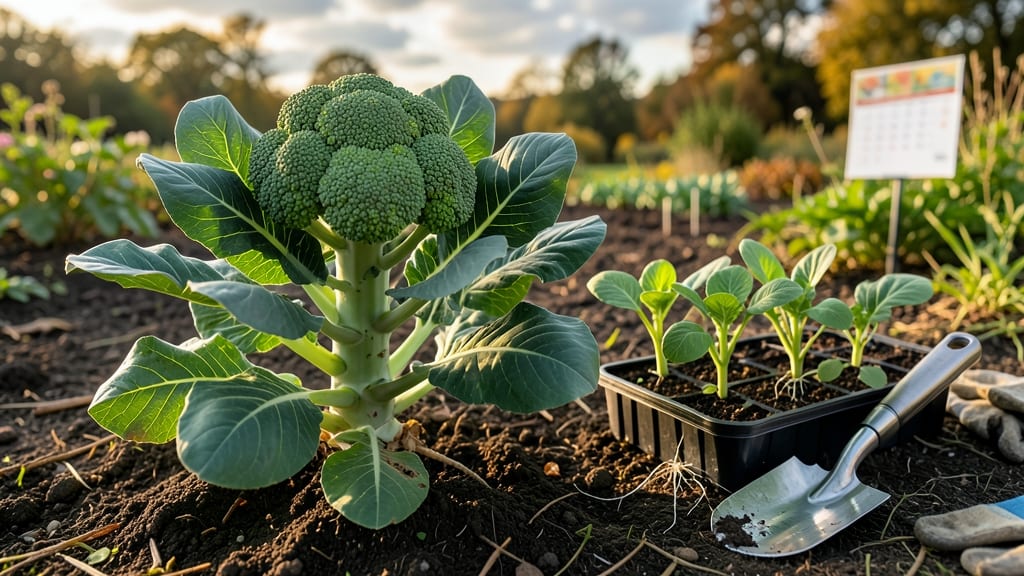
Planting your fall garden in Zone 7 between mid-August and mid-September is the key to beating frost and unlocking a second harvest season.
Picture this: you’re pulling crisp, homegrown kale from your garden in November, while neighbors are still dreaming of summer tomatoes. That’s the power of timing—get it right, and you’ll enjoy fresh greens, root vegetables, and hardy flowers long after the heatwave fades.
In Zone 7 (7a-7b), where the first frost typically arrives between late October and mid-November, the window for planting cool-season crops is tight. Miss it, and you’ll end up with stunted plants or bolted herbs instead of the hearty harvest you’re after.
Below, I’ll break down the exact weeks before frost to plant your top fall crops, how to adjust for microclimates, and the simple soil prep tricks that guarantee success—so you can enjoy a garden that keeps giving until winter sets in.
Zone 7 fall planting calendar: exact weeks before first frost for top crops
In Zone 7, where average first frost arrives between October 30 and November 15, timing your fall garden is everything. Plant too early, and your crops bolt; too late, and they won’t mature before frost.
The key is starting 60-90 days before frost for fast growers like spinach and radishes, or 90-120 days for heartier crops like broccoli and kale. This schedule ensures you harvest before the ground freezes.
I’ve tested these dates in my own Zone 7b garden—some years, I’ve pushed harvests into December using row covers, but the baseline is always mid-August to mid-September for direct sowing.
For transplants like cabbage or brussels sprouts, wait until late August to avoid stunted growth from summer heat. Let’s break down the exact weeks for your top fall crops.
| Crop | Direct Sow | Transplant | Days to Maturity | Notes |
|---|---|---|---|---|
| Kale | 8-10 weeks before frost (Early Aug) | 6-8 weeks before frost (Late Aug) | 50-60 days | Sweeter after frost; choose Winterbor or Lacinato. |
| Carrots | 10-12 weeks before frost (Late July) | N/A (Direct sow only) | 60-80 days | Use short-day varieties like Nantes. |
| Broccoli | 90-120 days before frost (Early Aug) | 60-90 days before frost (Late Aug) | 60-80 days | Transplant Calabrese or Purple Sprouting. |
| Spinach | 6-8 weeks before frost (Early Sep) | N/A (Direct sow only) | 30-50 days | Choose baby leaf varieties for faster harvests. |
| Radishes | 4-6 weeks before frost (Late Aug) | N/A (Direct sow only) | 25-30 days | Sow every 2 weeks for continuous harvests. |
| Brussels Sprouts | N/A | 90-120 days before frost (Early Aug) | 90-100 days | Transplant Long Island Improved for best flavor. |
For direct-sown crops like carrots and radishes, start as early as late July to ensure they mature before frost. I’ve found that radishes sown in late August often bolt too quickly, so I prioritize them earlier.
Meanwhile, kale and spinach are more forgiving—you can even sow them in early September for a late fall harvest.
If you’re transplanting, broccoli and cabbage need to go in by mid-August to avoid stunted growth from summer heat. I once planted broccoli in early September, and the heads stayed tiny—don’t make that mistake!
For Brussels sprouts, which take the longest, start transplants in early August so they have time to establish roots before cooler weather sets in.
Pro tip: Use a soil thermometer to check if your soil is above 50°F before planting. Cool soil slows germination, and in Zone 7, that can delay your harvest by 1-2 weeks.
I’ve also had success using black plastic mulch to warm the soil in early fall plantings—it’s a game-changer for slow-starting crops like carrots.
Don’t forget about succession planting! For crops like spinach and radishes, sow new seeds every 2 weeks after your initial planting. This ensures you have fresh harvests all the way until frost.
Last year, I staggered spinach plantings in early September and mid-September, and I was still harvesting in November—long after my neighbors’ gardens had frozen
How to adjust planting dates based on Zone 7 microclimates and soil conditions
Your Zone 7 garden isn't one-size-fits-all—microclimates and soil conditions can shift planting dates by 2-4 weeks. Urban areas often hit first frost earlier due to urban heat islands, while higher elevations may delay frost by 10-14 days.
Start by checking your local frost dates (Zone 7a: October 30, Zone 7b: November 15) and adjust accordingly.
Soil warmth is just as critical as air temperature. Use a soil thermometer—most cool-season crops thrive when soil temps stay above 40°F. If your soil cools faster than your neighbor's, plant hardy varieties like kale or spinach earlier.
For slower-warming areas, opt for fast-maturing crops like radishes (25 days) or bush beans (50 days).
- 📍 Urban Areas: Plant 2 weeks earlier—concrete absorbs heat days but releases it at night, creating earlier frosts. Use row covers to extend harvests.
- 🏔️ Higher Elevations: Delay planting by 1-2 weeks—cooler temps slow germination. Choose longer-day crops like broccoli (70 days) over lettuce (30 days).
- 🌡️ Soil Warmth: Test soil temps—below 50°F? Plant cold-hardy crops (e.g., peas) or use black plastic mulch to warm soil by 5-10°F.
- 🌿 Shady Spots: Skip leafy greens (they bolt in shade)—plant radishes or carrots instead. Add reflective mulch to boost light by 15-20%.
- 🛡️ Row Covers: Extend harvests by 3-4 weeks—use floating row covers to trap heat and shield from light frosts (28°F). Remove during day for pollination.
Don’t overlook local frost patterns. Check your county’s 10-year frost data—some years, Zone 7a might see frost by October 15, while others push it to November 1.
For example, if your area averages 30°F nights by October 20, prioritize frost-tolerant crops like cabbage (-12°F) over celery (28°F max).
For late fall harvests, combine soil prep and protective gear. Amend soil with compost to improve drainage—waterlogged soil accelerates root rot in cool weather. Then, layer straw mulch (3 inches) to insulate roots.
Pair this with low tunnels (PVC + row cover) to add 5-8°F warmth and harvest spinach or kale until December.
Pro tip: Plant a test row of fast-growing radishes (25 days) in early August. Their progress will show you how your microclimate affects growth—if they’re ready by September 15, you can safely plant broccoli or carrots two weeks later. Adjust future plantings based on these real-time clues.
Remember, Zone 7’s flexibility is its superpower. By tweaking dates for elevation, soil warmth, and urban heat, you’ll turn "too late" into "just in time" for a second harvest before winter sets in. 🌿