
Planting
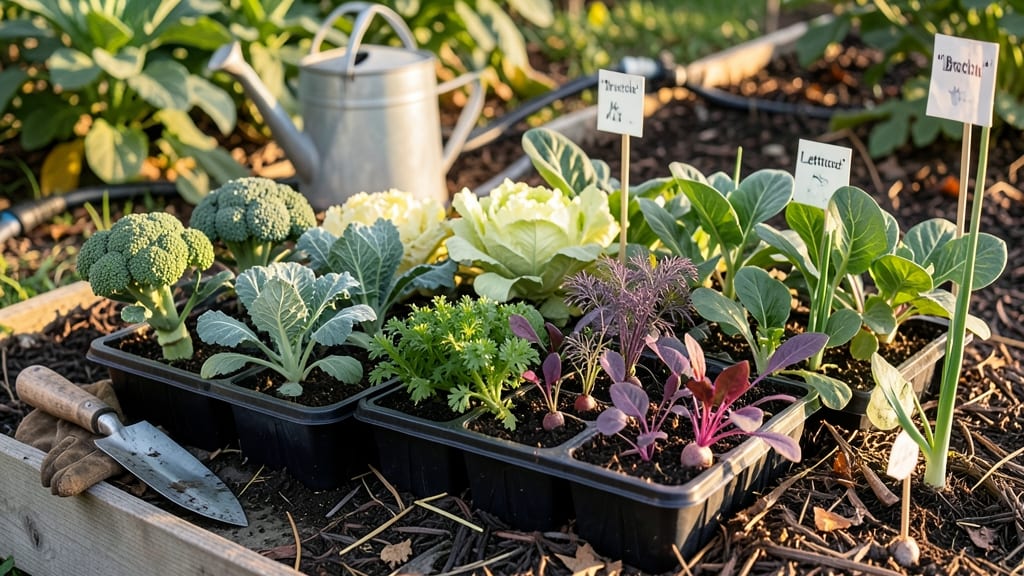
Planting a fall garden in Texas means timing it to beat the heat and outlast the first frost—typically between mid-August and early October, depending on your region.
Texas gardeners know timing is everything—plant too early, and your fall crops wilt in the heat; too late, and frost ruins your harvest. But with the right schedule, you can grow a thriving garden packed with heat-tolerant vegetables that beat the Texas summer and survive until first frost.
North Texas gardeners should start seeds in late July for crops like okra and sweet potatoes, while South Texas can push planting into September thanks to milder nights. The key is matching your planting window to soil temperatures and local frost dates.
In this guide, I’ll break down the exact planting calendar by region, highlight the top 7 heat-tolerant crops for Texas fall gardens, and share simple hacks to extend your harvest well past the first frost.
Texas fall planting calendar: exact dates for heat-tolerant crops by region
Timing your fall garden in Texas means working with the state's unique climate zones—where North Texas freezes earlier than South Texas.
The key is planting heat-tolerant crops like okra and sweet potatoes early enough to mature before the first frost, typically between November 15 and December 15, depending on your region. Soil temperatures and microclimates (like urban heat islands) can shift these dates by weeks, so flexibility is critical.
Texas is divided into three main gardening regions for fall planting: North Texas (Zones 7-8), Central Texas (Zones 8-9), and South Texas (Zones 9-10). Each has distinct frost dates and ideal planting windows.
For example, North Texas gardeners must plant by mid-September for crops like black-eyed peas, while South Texas can extend planting until late October thanks to warmer winters. Microclimates—like sheltered garden beds or shaded areas—can also push your planting window by 1-2 weeks.
Soil temperature is the most overlooked factor in Texas fall planting. Most heat-tolerant vegetables need soil temps above 60°F to germinate. Use a soil thermometer to confirm readiness—especially in Central Texas, where late summer heat lingers.
If your soil is too cool (below 55°F), opt for warm-season transplants like malabar spinach or delay planting until conditions improve.
Here’s a quick regional breakdown to get you started:
| Region | Avg. First Frost | Ideal Planting Window | Best Crops for Fall | Soil Temp Requirement |
|---|---|---|---|---|
| North Texas (Zones 7-8) | Nov 15–Dec 1 | Aug 15–Sep 15 | Okra, Sweet Potatoes, Black-Eyed Peas | 60–75°F |
| Central Texas (Zones 8-9) | Nov 20–Dec 10 | Aug 20–Sep 30 | Cowpeas, Amaranth, Malabar Spinach | 65–80°F |
| South Texas (Zones 9-10) | Dec 1–Jan 15 | Sep 1–Oct 15 | Sweet Potatoes, Okra, Yard-Long Beans | 70–85°F |
For North Texas gardeners, the window is tight—plant okra and sweet potatoes by mid-August to ensure they mature before frost. Use black plastic mulch to warm soil faster and extend the season.
In Central Texas, you have a bit more leeway, but don’t wait past September 30 for crops like cowpeas, which thrive in warm soil but bolt in cooler temps.
South Texas offers the longest growing season, but even here, first frost can sneak in by December. Prioritize long-maturing crops like yard-long beans or sweet potatoes, which can handle cooler temps better than others. If you’re in a microclimate (e.g., near a lake or urban area), you might push planting dates by 1-2 weeks—just monitor local weather forecasts for unexpected cold snaps.
Adjust your planting schedule based on soil temperature, not just air temperature. For example, in Dallas (North Texas), soil may stay warm enough for okra seeds until September 1, while in Austin (Central Texas), you might plant until September 15.
Always test soil with a thermometer—cool soil delays germination, even if air temps feel warm.
Pro tip: Start seeds indoors 4-6 weeks before your region’s ideal outdoor planting date for crops like malabar spinach. This gives seedlings a head start in cooler fall soil.
Use grow lights or a sunny windowsill, and transplant outdoors once soil temps drop to 65°F—the sweet spot for most heat-tolerant greens.
Don’t forget to harden off seedlings before transplanting. Acclimate them to outdoor conditions over 7-10 days by gradually increasing exposure to sunlight and wind. This reduces transplant shock, especially for delicate greens like amaranth, which can struggle in sudden temperature drops.
Finally, keep an eye on local frost forecasts from the National Weather Service or Texas A&M AgriLife Extension. These resources provide real-time updates on frost risks, helping you adjust harvest timelines.
For example, if frost is predicted for November 20, rush to harvest black-eyed peas or cover young plants with frost cloth
Top 7 heat-tolerant fall vegetables for Texas gardens (and when to start seeds vs. transplant)
When Texas summer refuses to let go, these 7 heat-tolerant vegetables become your secret weapon for a productive fall garden. Unlike traditional cool-season crops, these varieties thrive in 85°F+ temperatures and keep producing until first frost.
The key? Strategic planting—direct sowing seeds at the right time or transplanting hardened seedlings to avoid bolting or stunted growth.
Malabar spinach, cowpeas, and amaranth top the list for their ability to handle Texas heat while delivering nutrient-dense harvests. For example, cowpeas fix nitrogen in the soil, improving future plantings, while amaranth grows so fast you can harvest greens in just 30 days.
But timing is critical: plant too early, and heat stress sets in; too late, and frost cuts your harvest short.
Here’s your actionable planting guide—when to start seeds indoors, direct-sow outdoors, or transplant seedlings for maximum yield before Texas’s first frost (typically mid-November in North Texas to early December in South Texas).
| Vegetable | Start Seeds Indoors | Direct Sow Outdoors | Transplant Outdoors | Days to Harvest | Companion Plants |
|---|---|---|---|---|---|
| Malabar Spinach | Not needed | Late July–August | Early August | 45–60 days | Peppers, Okra |
| Cowpeas | Not needed | June–July | Late July | 60–90 days | Sweet Potatoes, Corn |
| Amaranth | Not needed | July–August | Early August | 30–50 days | Beans, Squash |
| Okra | Not needed | March–April or July | Late July | 50–65 days | Peppers, Tomatoes |
| Sweet Potatoes | Not needed | April–May or July | Early August | 90–120 days | Peas, Beans |
| Black-Eyed Peas | Not needed | June–July | Late July | 60–75 days | Potatoes, Cabbage |
| Swiss Chard (Heat-Tolerant Varieties) | Late July | August | Early September | 45–55 days | Onions, Lettuce |
For direct sowing, aim to plant seeds when soil temperatures stay above 75°F—typically late July for most of Texas. Cowpeas and black-eyed peas, for instance, germinate best in 80°F+ soil, so don’t rush them into cooler ground.
If you’re transplanting seedlings (like Swiss chard or heat-tolerant lettuce), harden them off for 7–10 days before setting them out after August 1st.
Pro tip: Pair these heat-lovers with companion plants to boost yields. For example, okra and peppers deter pests naturally, while sweet potatoes and cowpeas improve soil health. Mulch with straw to retain moisture—critical during Texas’s 90°F+ afternoons—and water deeply in the morning to prevent fungal diseases.
With this schedule, you’ll enjoy fresh malabar spinach salads in September, tender cowpea pods by October, and even sweet potatoes ready for Thanksgiving. Just remember: Texas’s first frost can sneak up fast, so prioritize fast-maturing varieties like amaranth if your growing season feels short.