
Planting
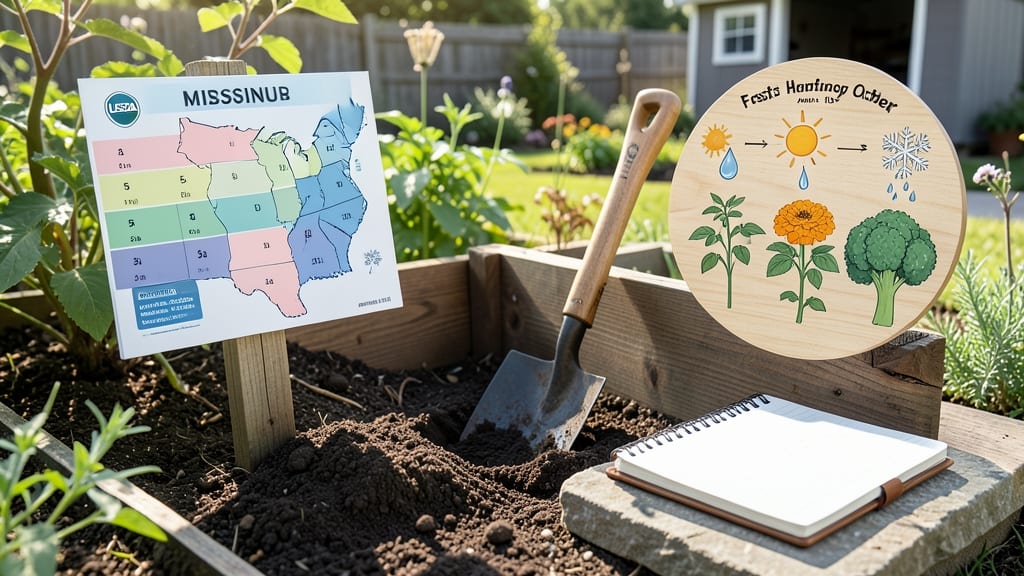
Planting a garden in Missouri means timing your crops to beat the last frost—typically mid-April in Zone 5 and late March in Zone 6, but those dates shift every year.
Missouri’s unpredictable frost dates can turn your gardening dreams into a guessing game—but timing your plantings right means the difference between a thriving harvest and wilted disappointment.
With Zone 5-6’s shifting climate, knowing exactly when to plant (and what to plant) is your secret weapon for a successful garden. Cool-season crops like peas and lettuce can go in as early as February, while tomatoes and peppers wait until after May 10.
Here’s how to align your garden with Missouri’s frost-free windows, from St. Louis to the Kansas City metro, plus 5 pro tips to stretch your growing season—even when Mother Nature throws a curveball.
Missouri’s frost dates by region: Zone 5 vs. Zone 6 planting timelines
Missouri’s Zone 5 and Zone 6 regions experience distinct frost patterns that dictate your planting schedule. Northern Missouri (Zone 5) typically sees its last spring frost between April 15–May 1, while southern areas (Zone 6) can plant as early as March 20–April 15.
Understanding these variations ensures you avoid frost damage while maximizing your growing season.
St. Louis (Zone 6) enjoys a longer frost-free window, with an average first fall frost around October 20–November 1. In contrast, Kansas City (Zone 5) faces earlier frosts, often by October 10–October 25.
Rural areas may experience microclimate shifts—valleys stay colder longer, while south-facing slopes warm up faster.
For cool-season crops like lettuce and peas, plant as soon as the soil is workable—typically 2–4 weeks before your last frost date. Warm-season crops, such as tomatoes and peppers, require soil temperatures above 60°F and should wait until 2 weeks after your last frost.
Here’s a quick reference for Missouri’s frost-free windows by region:
| Region | Zone | Last Frost | First Frost | Frost-Free Days |
|---|---|---|---|---|
| Northern MO (e.g., Columbia) | 5 | April 25–May 10 | October 10–October 25 | 160–180 days |
| St. Louis | 6 | March 20–April 15 | October 20–November 1 | 190–210 days |
| Kansas City | 5 | April 15–April 30 | October 15–October 30 | 170–190 days |
| Southeast MO (e.g., Cape Girardeau) | 6 | March 10–March 25 | October 30–November 10 | 210–230 days |
Use these dates to plan direct sowing and transplanting. For example, in Zone 5, start cold-hardy crops like spinach in early April, while Zone 6 can begin as early as mid-March. Always check local forecasts—late frosts can delay planting by weeks.
In Zone 6 areas, you can even squeeze in a fall garden of radishes or lettuce after Labor Day. In Zone 5, opt for fast-maturing varieties or use row covers to protect tender plants.
Microclimates matter: A south-facing garden bed may warm up 1–2 weeks earlier than a shaded area.
For warm-season crops, wait until soil temperatures hit 60°F—use a soil thermometer to confirm. In Zone 5, this often aligns with mid-May, while Zone 6 can start in early April. Tomatoes and peppers thrive with longer daylight, so plant them 2–3 weeks after your last frost.
Missouri’s unpredictable weather means flexibility is key. Keep seed packets handy for succession planting—if frost threatens, replant quick-growing crops like bush beans or zucchini. Monitor the University of Missouri Extension for real-time updates on frost risks.
Pro tip: Use frost cloth to extend your season by 2–4 weeks in both zones. For Zone 5 gardeners, this can mean an extra month of harvests before winter sets in. In Zone 6, it’s your ticket to late-season tomatoes or fall broccoli.
Remember, microclimates create local variations—urban areas may stay warmer, while rural spots can be colder. Adjust your planting timeline based on your specific location’s history. With these frost-free guidelines, you’ll turn Missouri’s climate into a gardening advantage.
Best crops to plant by month in Missouri (Zone 5-6 calendar)
Missouri’s Zone 5-6 climate demands precise timing to beat unpredictable frosts and maximize harvests. The key is planting cool-season crops early and warm-season varieties after the last frost—typically mid-April to late May in most regions.
Southern Missouri (Zone 6) can start slightly earlier, while northern areas (Zone 5) may need to wait until early June for heat-lovers like tomatoes.
Start with hardy vegetables like peas and spinach in early spring, then transition to tomatoes, peppers, and basil once soil warms. Fall planting is equally critical—kale, carrots, and broccoli thrive in cooler weather.
Below, I’ve broken down the best crops for each month, with frost-sensitive adjustments for Missouri’s variable climate.
- March-April: Peas, spinach, lettuce, onions, potatoes (direct sow after soil reaches 40°F). Start tomato and pepper seeds indoors for late May transplanting.
- May: Transplant tomatoes, peppers, cucumbers, basil after last frost (use row covers if frost lingers). Sow beans, corn, squash directly into warm soil.
- June-July: Succession plant beans, cucumbers, zucchini every 2 weeks. Add marigolds and nasturtiums to deter pests.
- August: Direct sow carrots, radishes, kale, broccoli for fall harvest. Start cool-season herbs (parsley, cilantro) indoors.
- September-October: Transplant cabbage, Brussels sprouts, garlic for winter storage. Extend season with cold frames for leafy greens.
For Zone 6 areas (like St. Louis), you can push warm-season crops like eggplant and okra slightly earlier, but always monitor soil temperature—it should stay above 60°F for 2+ weeks before planting heat-lovers. In Zone 5 (northern Missouri), wait until mid-May to avoid frost damage.
Herbs like basil and dill are summer stars but bolt quickly in fall—sow them in June-July for peak flavor. Perennials such as asparagus and rhubarb can be planted in early spring or fall, but they need patience: asparagus takes 2-3 years to establish.
Don’t overlook fall planting—it’s when kale, carrots, and Brussels sprouts shine. These crops actually sweeten in frost, making them perfect for Missouri’s crisp autumn nights. Use black plastic mulch to warm soil for early spring starts or straw mulch to protect fall crops from temperature swings.
Missouri’s microclimates mean your neighbor’s success might not match yours—urban areas stay warmer than rural spots, and south-facing slopes get frost-free earlier. Always check local frost dates and adjust by 1-2 weeks if your garden runs cooler.
With this calendar, you’ll beat the frost and enjoy a garden bursting with flavor all season long. 🌱