
Planting
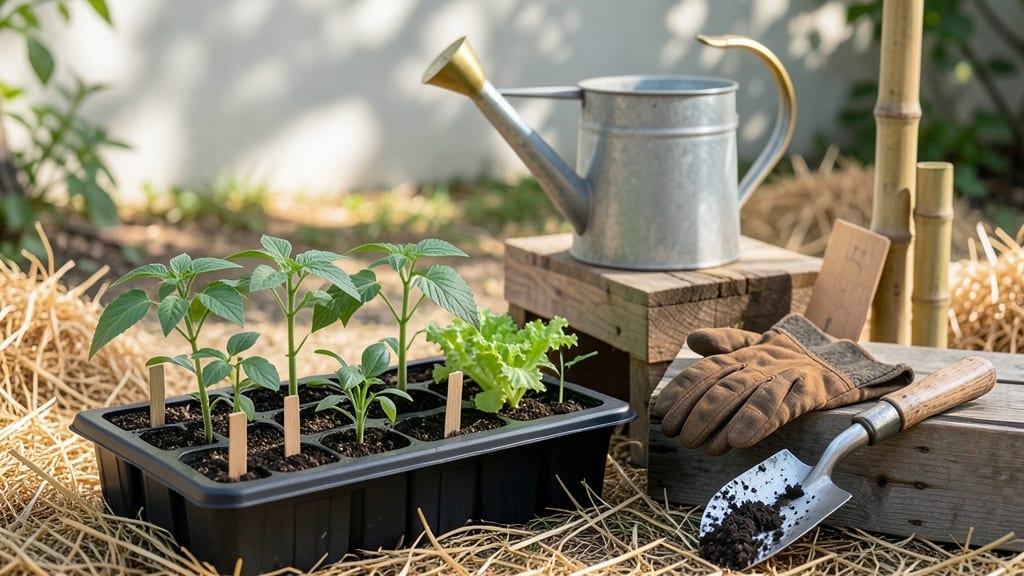
Planting your garden in North Carolina at the right time means the difference between a bountiful harvest and a sad, frost-nipped failure.
North Carolina’s diverse climate zones mean your garden’s success depends on timing—plant too early and risk frost damage, too late and miss peak harvests. Here’s your zone-by-zone guide to planting the right crops at the perfect moment.
From the Coastal Plain’s milder winters to the Mountains’ later springs, each region has its own frost-free window. For example, sweet potatoes thrive when soil warms to 65°F in May, while azaleas need to be in the ground by early spring before buds swell.
Below, I’ll break down the best planting windows for your NC zone, plus pro tips to extend your growing season and avoid common mistakes—so you can enjoy fresh tomatoes, peppers, and more all year.
North Carolina planting Zones: frost dates and ideal start times by region
North Carolina spans USDA Plant Hardiness Zones 6b to 8a, creating dramatic differences in frost timing from the mountains to the coast.
In the Asheville area (Zone 7a), last frosts typically arrive by April 15, while coastal Wilmington (Zone 8a) enjoys frost-free conditions by March 1—a month-long difference that impacts your planting schedule.
Understanding these variations ensures you plant cool-season crops before heat stress and warm-season plants after frost risk passes.
Your planting window hinges on two critical dates: average last frost and average first frost. For example, in Zone 7b (Raleigh/Durham), the last frost occurs around March 22, giving you just 60 days to establish spring crops before summer heat arrives.
Meanwhile, Zone 6b (Western NC) gardeners face a later last frost (April 5) but shorter summers—meaning faster transitions between seasons. These timelines determine whether you’ll grow two harvests of beans or struggle with bolting lettuce.
Here’s how to use this guide: First, locate your NC county on the USDA zone map (linked below). Then, match your zone to the planting windows for cool-season crops (like kale and peas) versus warm-season crops (like tomatoes and peppers).
Pro tip: Mountain regions (Zones 6b-7a) often have longer cool seasons but shorter summers, while coastal areas (Zones 7b-8a) enjoy earlier starts but face humidity challenges like fungal diseases.
🌱 Key Takeaway: Plant cool-season crops 4-6 weeks before your last frost date, and warm-season crops 2-3 weeks after. For example, in Zone 7a (Boone), sow spinach in early March but wait until May 1** for tomatoes. Misjudging these windows can mean wilted seedlings or underripe harvests.
For Zone 6b gardeners, focus on early-maturing varieties like bush beans (50 days) and radishes (25 days) to maximize your short summer.
In Zone 8a, you can even experiment with fall plantings of spinach in September, knowing frost arrives late. Pro tip: Use row covers to extend your cool-season window by 2-3 weeks in all zones, protecting crops like lettuce and carrots from late frosts.
Warm-season crops—such as tomatoes, peppers, and squash
Best planting schedule for North Carolina’s top 10 garden vegetables
North Carolina’s diverse microclimates—from the humid Coastal Plain to the cooler Appalachian Mountains—mean your planting schedule should adjust based on elevation and location. For high-altitude areas like Asheville (Zone 7a), start warm-season crops 2-3 weeks later than coastal regions like Wilmington (Zone 8a).
Timing also depends on whether you’re growing cool-season crops (like lettuce) or warm-season crops (like tomatoes).
To maximize yields, align your planting with average last frost dates (typically mid-March to early April in most of NC) and soil temperatures. Warm-season crops need soil at 60°F+ to thrive, while cool-season crops tolerate cooler soils.
Below is your month-by-month guide for NC’s most productive vegetables, tailored to both coastal and mountain regions.
- 🌱 March: Start cool-season crops indoors (lettuce, spinach, kale) and direct-sow peas and radishes after last frost risk passes in Zone 8a.
- 🌿 April: Plant tomatoes, peppers, and eggplants after soil warms to 60°F+ (coastal NC: early April; mountains: late April). Direct-sow beans, cucumbers, and squash.
- ☀️ May: Transplant warm-season crops (like basil and okra) and succession-sow greens for fall harvests. Coastal areas can start sweet potatoes from slips.
- 🌶 June: Plant fall crops like broccoli and cabbage for late harvests. In Zone 7a, use row covers to protect early plantings.
- 🍅 July-August: Sow cool-season crops for fall harvests (spinach, arugula) and direct-sow garlic for next year.
- ❄️ September: Last chance for warm-season crops like tomatoes and peppers in Zone 8a. Start onion sets for spring harvests.
- 🌾 October: Plant garlic and cover crops (like clover) to protect soil. Coastal NC can extend green bean harvests with row covers.
For high-altitude gardens (e.g., Asheville or Boone), delay warm-season crops until after May 1 to avoid late frosts. Coastal gardeners can push tomatoes and peppers into late August plantings for fall harvests, but use disease-resistant varieties to combat humidity-related fungal issues.
Always monitor local forecasts—a 5°F dip can devastate tender seedlings!
Pro tip: Use succession planting for leafy greens and bush beans every 2 weeks to ensure a steady harvest. For example, sow a new batch of lettuce every 14 days from April through September. This technique maximizes your garden’s productivity and minimizes wasted space.
Finally, prioritize soil health before planting. Amend beds with compost or aged manure in February or March to give nutrients time to integrate. Test your soil’s pH—most vegetables thrive in 6.0–7.0.
Adjust with lime (to raise pH) or sulfur (to lower pH) as needed. Healthy soil = healthier plants = bigger yields!