
Planting
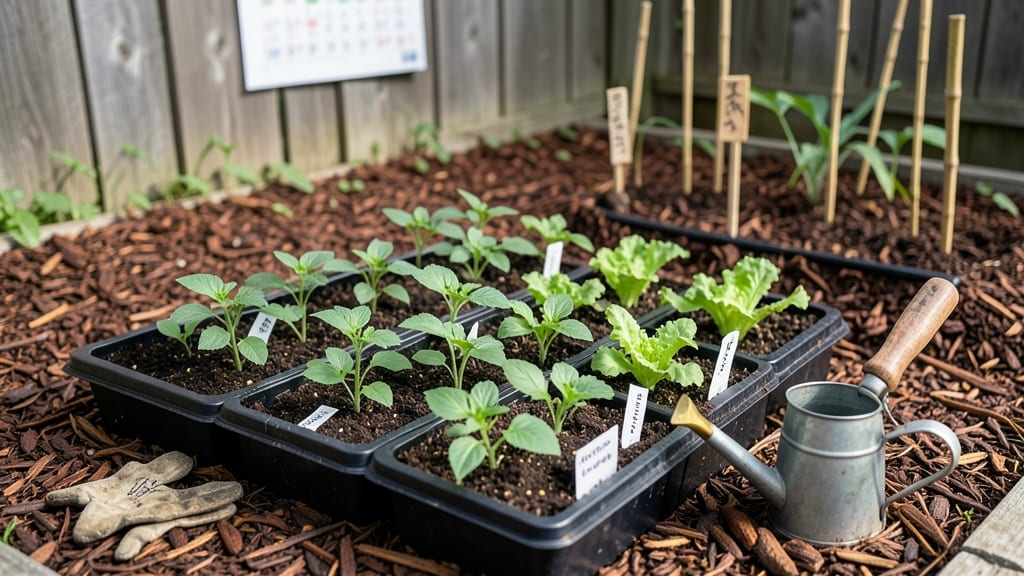
Planting your garden in Ohio after the last frost date—typically around mid-April—sets the stage for a bountiful harvest 🌱.
Ohio’s unpredictable spring weather can turn a gardener’s excitement into frustration—plant too early, and frost will wipe out your hard work. But timing your garden perfectly means harvests that thrive from Zone 5 to Zone 6.
This isn’t just about avoiding frost; it’s about matching your plants to Ohio’s 165 frost-free days, from spinach in early spring to tomatoes by June. The key is knowing when soil warms enough for seeds to sprout.
Here’s your Ohio planting schedule to avoid common mistakes and maximize yields, whether you’re growing veggies, flowers, or perennials.
Ohio last frost dates by Zone: exact timing for warm-season crops
Ohio’s USDA Zones 5 and 6 offer a 165-day growing season, but warm-season crops like tomatoes and peppers demand precision. The average last frost date shifts from April 15 in northern Ohio (Zone 5) to April 22 in southern Ohio (Zone 6).
These dates mark the moment when soil temperatures consistently reach 60°F (15°C), signaling it’s safe to plant heat-loving vegetables.
However, microclimates can shift these dates by 1-2 weeks. South-facing slopes warm faster, while low-lying areas may experience frost 2 weeks later. To refine your timing, use the USDA Plant Hardiness Zone Map and local Almanac frost records.
For example, Columbus (Zone 6a) averages its last frost on April 20, while Toledo (Zone 5b) often waits until April 25.
Here’s how to use these dates for warm-season staples:
| Crop | Zone 5 Last Frost | Zone 6 Last Frost | Plant After | Notes |
|---|---|---|---|---|
| Tomatoes | April 25 | April 15 | May 10 | Needs 80+ frost-free days |
| Peppers | April 25 | April 15 | May 15 | Start indoors 8-10 weeks early |
| Corn | April 25 | April 15 | May 1 | Plant in blocks, not rows |
| Cucumbers | April 25 | April 15 | May 5 | Trellis for better air flow |
| Eggplant | April 25 | April 15 | May 20 | Slow to germinate; soak seeds |
For Zone 5 gardeners, wait until May 10 to plant tomatoes and peppers, as late frosts can still occur. In Zone 6, you can push the timeline slightly earlier, but always verify with a soil thermometer.
A 50°F (10°C) soil temperature is the minimum for seed germination, while 60°F (15°C) ensures healthy root development.
Pro tip: Use row covers or cold frames to extend your planting window by 2-3 weeks. These tools create a microclimate that protects seedlings from unexpected frosts.
For example, I’ve successfully planted cucumbers in late April in Zone 6 using a lightweight row cover, giving me a 2-week head start on the season.
To further refine your timing, check the Ohio State University Extension’s frost data or use the USDA Plant Hardiness Zone tool. Input your zip code to see localized frost predictions.
For instance, Cincinnati (Zone 6b) often sees its last frost on April 18, while Akron (Zone 6a) may wait until April 22. These nuances can mean the difference between a bountiful harvest and wilted seedlings.
If you’re unsure, err on the side of caution. Transplanting shock is less risky than frost damage. For example, I’ve learned the hard way that pepper seedlings can recover from transplanting but won’t survive a 32°F (0°C) night.
Always monitor the National Weather Service’s 10-day forecast and adjust your planting schedule accordingly.
For succession planting, plan to sow fast-growing crops like lettuce every 2 weeks after your last frost date. This ensures a
Cold-hardy crops to plant early in Ohio (before last frost)
Ohio’s early spring can be tricky—frost lurks until mid-April in most areas—but that doesn’t mean your garden has to wait. Cold-hardy crops like spinach and peas thrive in chilly soil, giving you a head start on the growing season.
These resilient plants tolerate temperatures as low as 25°F and even flourish in 40°F soil, making them perfect for Ohio’s Zone 5-6 climate.
To maximize your early harvest, focus on plants that bolt-resistant varieties and fast-growing roots. The key is planting 4-6 weeks before your last frost date—typically by early March in southern Ohio and late March in the north.
Pair these crops with companion plants like onions or lettuce to deter pests and improve soil health.
Extend your early season with row covers or cold frames to shield tender seedlings from late frosts. These tools can raise soil temperatures by 5-10°F, allowing you to plant 2 weeks earlier without risk.
For example, a floating row cover lets sunlight through while blocking frost, perfect for broccoli or cabbage transplants.
Soil preparation is critical—amend your beds with compost or aged manure to improve drainage and fertility. Test your soil’s pH (ideal range: 6.0-7.0 for most veggies) and add lime if needed. Cold-hardy crops like kale and peas also benefit from phosphorus-rich fertilizer to encourage root growth in cool conditions.
Don’t forget to succession plant every 2 weeks for a continuous harvest. For instance, sow radishes every 10 days—they mature in just 3 weeks and keep pests away from slower-growing crops.
With these strategies, you’ll enjoy fresh greens and herbs by late April or early May, beating the summer heat!