
Planting
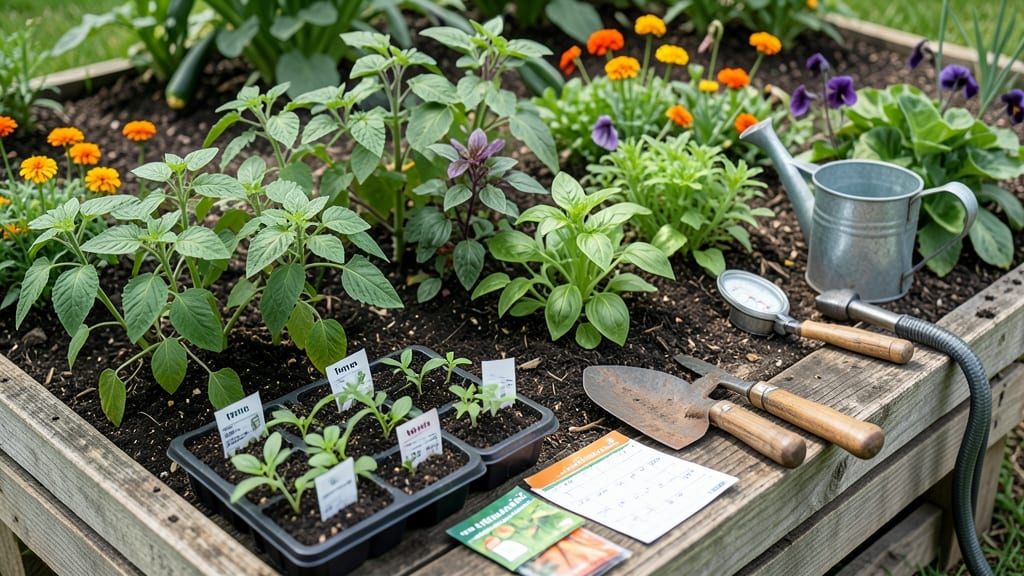
Planting a garden in WV means timing your seeds to avoid late frosts that can wipe out your hard work in a single night.
West Virginia’s unpredictable climate can turn a gardener’s dream into a gamble—but knowing the exact frost-free dates for your zone (and which crops thrive when) ensures a bountiful harvest instead of a failed experiment.
Whether you’re in the cooler Zone 5 of the northern panhandle or the milder Zone 7 of the southern counties, the difference between a 30-day and 60-day growing season matters.
Most WV gardeners start cool-season crops like lettuce and peas in early spring, just as the soil warms enough to work, while warm-season favorites like tomatoes and peppers wait until after the last frost—usually mid-April to early May, depending on elevation.
But here’s the catch: high-altitude areas in the Appalachians can have frosts lingering into June, so local frost charts (like those from WVU Extension) are your best friend.
In this guide, I’ll break down the best planting windows for your zone, which crops to prioritize, and how to stretch your season with simple tricks like row covers. By the end, you’ll know exactly when to plant your garden in WV—and how to protect it when the weather turns.
WV frost-free dates by planting Zone: when to start seeds & transplant
West Virginia spans USDA Hardiness Zones 5-7, where frost dates can vary by 2-3 weeks between northern and southern regions. Knowing your last spring frost and first fall frost is critical—plant too early, and tender seedlings freeze; too late, and your harvest shrinks.
I’ve broken down the average frost-free windows for each zone, plus actionable planting timelines for seeds vs. transplants.
For Zone 5 (northwest WV), the last frost typically arrives April 15–May 1, while Zone 7 (southern WV) sees frost-free soil by March 15–April 1. These dates shift yearly, so always check the West Virginia State University Extension for updates.
I’ll show you how to use these dates to time your planting perfectly, whether you’re direct-sowing or starting indoors.
| Zone | Avg. Last Frost | Avg. First Frost | Start Indoors (Weeks Before Last Frost) | Direct Sow After | Fall Planting Ends |
|---|---|---|---|---|---|
| 5 (e.g., Morgantown) | April 15–May 1 | October 15–20 | 6–8 weeks before | May 10–15 | August 15 |
| 6 (e.g., Charleston) | April 1–15 | October 1–10 | 5–7 weeks before | April 20–May 1 | August 30 |
| 7 (e.g., Lewisburg) | March 15–April 1 | October 30–November 5 | 4–6 weeks before | April 1–15 | September 15 |
*Adjust for high-altitude areas (e.g., Allegheny Mountains) by adding 1–2 weeks to frost dates.
In Zone 5, I start cool-season crops like lettuce and peas indoors by March 1 (8 weeks before the last frost).
For warm-season plants (tomatoes, peppers), I wait until April 15 to sow indoors, then transplant after May 10. Direct-sowing should never happen before your last frost—even hardy greens like spinach can bolt if exposed to warm soil too soon.
If you’re in Zone 6 or 7, you gain 2–4 extra weeks of growing time. I use this to succession plant fast-growing crops like radishes or bush beans every 2 weeks from April through July.
For example, in Zone 7, I’ll sow radishes on April 1, April 15, and May 1 for a continuous harvest. Fall planting also stretches longer—Zone 7 gardeners can still direct-sow spinach or kale until September 1.
Pro tip: Use row covers or cold frames to extend your season by 2–3 weeks in spring or fall. I’ve successfully grown broccoli and cauliflower in Zone 5 until October 15 with a simple floating row cover.
For high-altitude areas (e.g., near Spruce Knob), add 1–2 weeks to frost dates—microclimates matter!
For transplants, harden off seedlings 7–10 days before moving them outdoors. I acclimate mine by placing them in partial shade during the day and bringing them in at night. Tomato and pepper seedlings are especially sensitive—plant them too early, and they’ll stunt from cold soil.
Wait until soil temps hit 60°F+ (use a soil thermometer!) before transplanting.
Don’t forget about fall crops! In Zone 5, I plant garlic in October for next year’s harvest, while onion sets go in by September 15. For winter squash, I direct-sow in late May and let them mature before the first frost. The key is harvesting
Best crops to plant in WV by season: cool vs. warm weather plants
West Virginia’s diverse microclimates and short growing season demand smart crop selection. Cool-season plants like kale and peas thrive in spring and fall, while tomatoes and peppers need summer’s warmth. Knowing these distinctions helps avoid wasted effort—and empty garden beds.
In USDA Zones 5-7, timing is everything. Plant cool-loving crops 4-6 weeks before your last frost date (typically late April to early May), while warm-season plants should wait until after Memorial Day. Adjust for high-altitude areas like the Allegheny Mountains, where frost lingers longer.
| Crop Type | Best Planting Window | Zone Adjustments | Key Varieties |
|---|---|---|---|
| Cool-Season Vegetables | Early spring (March-April) or fall (August-September) | Zone 5: Start indoors 6 weeks before last frost; Zone 7: Direct sow 2 weeks earlier | Lacinato kale, Sugar Snap peas, Spinach |
| Warm-Season Vegetables | After last frost (May-June) | Zone 5: Use row covers for early starts; Zone 7: Plant after May 15 | Cherry tomatoes, Bell peppers, Cucumbers |
| Herbs | Cool: Early spring; Warm: Late spring | Cilantro bolts in heat; basil thrives in summer | Cilantro, Basil, Parsley |
| Flowers | Cool: Early spring; Warm: Late spring | Marigolds tolerate heat; pansies need cool weather | Marigolds, Pansies, Zinnias |
For cool-season crops, prioritize leafy greens and root vegetables that tolerate light frosts. My go-to varieties include Winterbor kale (harvest until hard frost) and Sugar Ann peppers (plant after soil reaches 60°F). In Zone 5, I often use row covers to extend the season by 2-3 weeks.
Warm-season plants like tomatoes and squash need consistent warmth to thrive. Start seeds indoors in March for transplanting after Memorial Day. If you’re in Zone 7, opt for heat-tolerant varieties like Solar Fire tomatoes or Black Beauty eggplants to avoid blossom drop.
Don’t overlook herbs—they’re low-maintenance and versatile. Cilantro bolts in summer heat, so plant it in early spring or late fall. Basil, however, loves summer’s warmth and pairs perfectly with tomatoes. For flowers, marigolds deter pests naturally, while zinnias bloom nonstop from June to frost.
Pro tip: Use succession planting for warm-season crops like bush beans or lettuce. Sow every 2-3 weeks until mid-July to ensure continuous harvests before fall frosts strike. In high-altitude areas, stagger plantings by 10-14 days to account for delayed warming.