
Planting
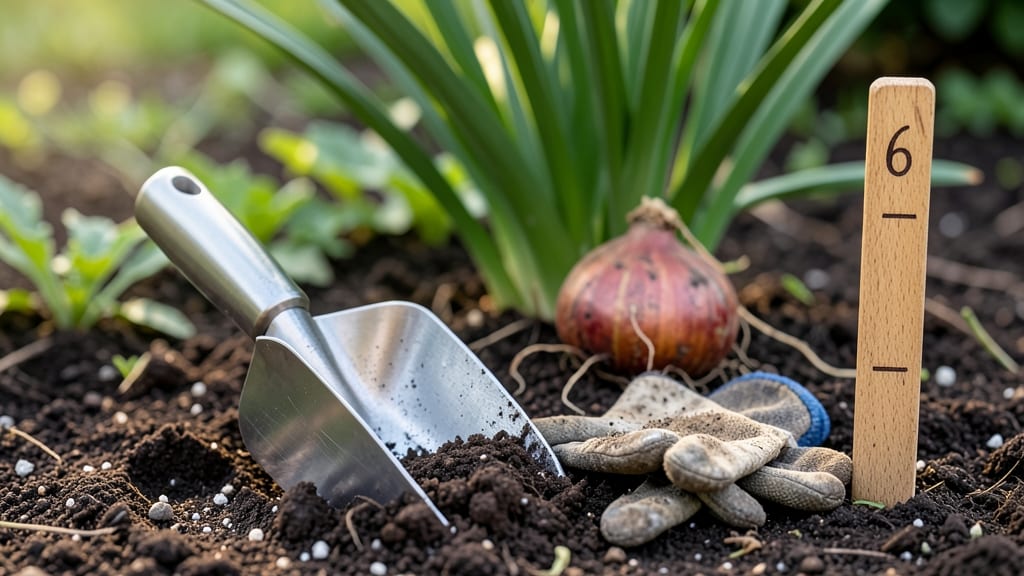
Planting lily bulbs in your garden at the right time ensures bold, healthy blooms next year—but timing is everything, and the wrong window can mean waiting years for those showstopping 🌸 flowers.
You might think it’s just about picking a fall month, but the real secret is soil temperature. Too early, and your bulbs rot; too late, and they won’t root before winter.
In USDA Zone 6a, the sweet spot is 6-8 weeks before the ground freezes, usually September through November.
This guide breaks down the exact soil temp triggers, regional adjustments, and how to tell if you’ve planted too soon or too late. No more guessing—just perfectly timed lilies that wake up ready to bloom.
Once you’ve got the timing down, we’ll cover post-planting care: watering, mulching, and the one trick to protect bulbs from winter heaves. Ready to set your garden up for next summer’s star?
Soil temperature rules for planting lily bulbs by region
Planting lily bulbs at the right time ensures strong root establishment before winter dormancy. The golden rule? Wait until soil temperatures consistently reach 60-70°F—this triggers root growth without risking rot from warm, wet soil.
Most gardeners focus on calendar months, but soil thermometers are your real guide, especially in unpredictable climates.
Hardy lilies like Asiatic and Oriental varieties thrive when planted in fall (USDA Zones 4-7), while tender types such as Stargazer lilies need spring planting (Zones 8-10). The key difference? Hardy bulbs need 6-8 weeks of chilling to bloom, while tender bulbs avoid winter freeze damage.
Here’s how to use soil temperature as your planting trigger, broken down by USDA zone and bulb type:
| USDA Zone | Ideal Planting Window | Soil Temp Trigger | Bulb Types | Key Notes |
|---|---|---|---|---|
| 4-5 | Late August – Early October | 55–65°F (13–18°C) | Asiatic, Martagon | Plant 6–8 weeks before first frost. Use mulch for insulation. |
| 6-7 | Mid-September – Mid-November | 60–70°F (16–21°C) | Oriental, Trumpet | Avoid planting after ground freezes. Test soil with thermometer. |
| 8-9 | Late Winter – Early Spring | 65–75°F (18–24°C) | Stargazer, Candidum | Spring planting only. Use shade cloth if temps exceed 80°F. |
| 10 | January – February | 60–70°F (16–21°C) | All tender lilies | Plant in well-draining containers for flexibility. Water deeply after planting. |
For fall planting in colder zones (4-7), aim to finish by 6 weeks before first frost. In Zones 8-10, spring planting is safer—wait until nighttime temps stay above 50°F (10°C) to prevent bulb rot.
Always plant in well-draining soil; lilies hate soggy conditions, which cause bulb rot even at ideal temperatures.
Pro tip: Bury a soil thermometer 4 inches deep for accurate readings. If temps dip below 50°F (10°C) at night, delay planting until mornings warm up. This simple tool saves bulbs from premature dormancy or frost damage.
In Zones 6-7, you can push the envelope by planting Asiatic lilies in late fall (November) if soil stays above 50°F (10°C). These hardy bulbs tolerate cooler soils better than Oriental lilies, which need warmer conditions to establish roots. Always prioritize soil temperature over calendar dates.
If you miss the fall window, spring planting is possible in most zones—but expect smaller blooms the first year as bulbs struggle to catch up. For Zones 8-10, spring planting is standard, but plant deeper (8–10 inches) to protect bulbs from heat stress. Mulch heavily to retain moisture.
After planting, water deeply to settle soil around bulbs. Mulch with straw or shredded leaves to insulate roots in winter (for fall-planted bulbs) or keep soil cool in summer (for spring-planted bulbs). This one step doubles survival rates in marginal climates.
Remember: Soil temperature > calendar dates. A soil thermometer is your best friend—it tells you exactly when roots will wake up and grow. Skip the guesswork, and your lilies will reward you with bold, healthy blooms next summer.
Lily bulb planting calendar: month-by-month guide by climate
Lily bulbs thrive when planted at the right time, but the perfect window depends on your climate zone and bulb type. Hardy lilies like Asiatic and Oriental varieties need winter chilling to bloom, while tender types like Stargazer lilies prefer milder conditions.
Let's break down the ideal planting months for your region.
Most gardeners plant lilies in fall for spring blooms, but subtropical zones may need a winter planting approach. The key is getting bulbs in the ground when soil temperatures drop to 60-70°F—this triggers root growth before dormancy. Let's explore the month-by-month breakdown for three climate types.
In temperate zones, aim to plant lilies 6-8 weeks before first frost. This gives roots time to establish before winter dormancy. For cold climates, early planting is critical—bulbs need time to root before freezing temperatures arrive.
Subtropical gardeners should wait until soil cools in late fall to avoid heat stress.
If you miss the fall window, spring planting is possible but may delay blooms. Plant bulbs deeper (8-10 inches) and keep soil consistently moist until established. Remember, Asiatic lilies bloom earliest, while Oriental lilies may take an extra year to flower after planting.
After planting, mulch with 3-4 inches of organic matter to insulate bulbs and retain moisture. In dry climates, water deeply once a week until rainfall resumes. For wet climates, ensure bulbs have proper drainage to prevent rot—a common issue with late-season planting.
Pro tip: Mark your planting spots with biodegradable flags to avoid disturbing bulbs during winter. This simple step prevents accidental digging and ensures healthy regrowth in spring. With the right timing, your lilies will reward you with stunning summer blooms for years to come! 🌸