
Planting
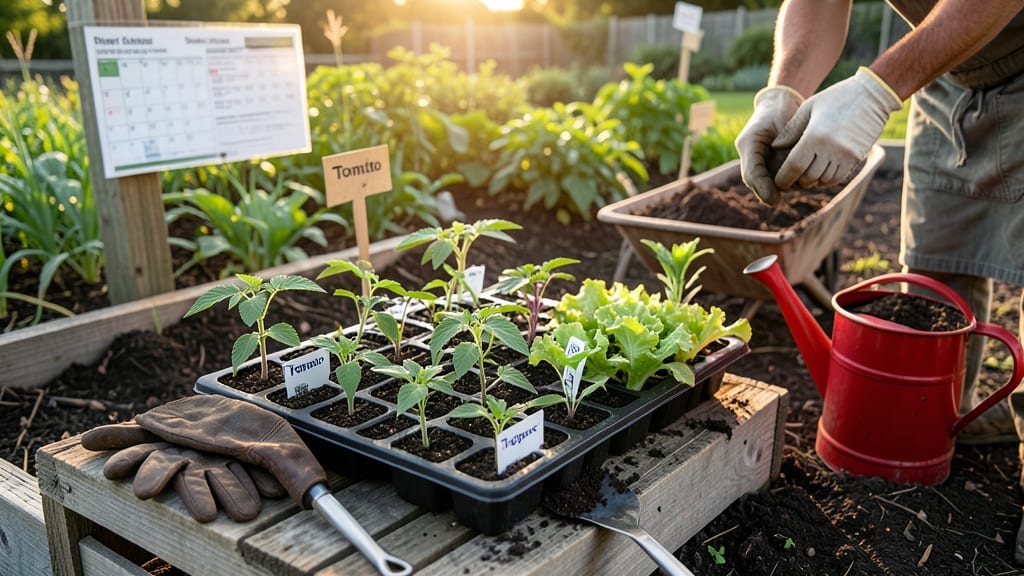
Planting a vegetable garden in Oklahoma at the right time means the difference between a thriving harvest and a total loss to late frosts or scorching heat.
Oklahoma’s unpredictable weather can make or break your vegetable garden—planting at the wrong time means stunted growth, pests, or even total crop failure. But timing it right guarantees a bountiful harvest from spring greens to fall squash.
Most Oklahoma gardeners start their warm-season crops like tomatoes and peppers after the last frost, typically between mid-March and early April in most regions. However, cooler microclimates like the Ozark Mountains may need to wait until late April, while the panhandle can often start earlier.
In this guide, I’ll break down the exact frost dates for your area, crop-specific planting windows, and how to extend your growing season for year-round harvests—so you can avoid common mistakes and grow more food.
Oklahoma frost dates and ideal planting windows by region
Oklahoma’s USDA Plant Hardiness Zones 6b-8a create a diverse gardening landscape, but frost dates vary dramatically between cities and rural areas.
In Oklahoma City (Zone 7a), the last spring frost typically arrives between March 15-30, while Tulsa (Zone 7b) sees its final frost slightly earlier, around March 10-25. Rural areas, especially in western Oklahoma, can experience frost until April 15 or later.
Understanding these microclimate variations is critical—planting too early in cooler zones risks frost damage, while waiting too long in warmer areas shortens your growing season. For example, southern Oklahoma (Zone 8a) enjoys a 30-day longer frost-free period than northern regions, allowing for earlier spring plantings and later fall harvests.
Here’s how to use this frost date guide for precision planting: Check your local USDA Zone, then adjust planting dates based on your specific region’s frost history. Urban areas like Oklahoma City often have warmer microclimates due to pavement and buildings, while rural farmland can stay colder longer.
For spring planting, wait until after your area’s average last frost date to transplant warm-season crops like tomatoes and peppers. Cool-season crops such as lettuce and peas can often tolerate light frosts, so they can be planted 2-4 weeks before your last expected frost.
| Region | USDA Zone | Last Spring Frost | First Fall Frost | Frost-Free Days | Spring Planting Window | Fall Planting Window |
|---|---|---|---|---|---|---|
| Oklahoma City | 7a | March 15-30 | November 1-15 | 180-200 days | April 1 - May 15 | July 15 - August 30 |
| Tulsa | 7b | March 10-25 | November 5-20 | 190-210 days | March 25 - May 10 | July 1 - September 1 |
| Western Oklahoma (e.g., Altus) | 6b | April 1-15 | October 20-November 5 | 150-170 days | May 1 - June 15 | June 15 - July 30 |
| Southern Oklahoma (e.g., Lawton) | 8a | February 28 - March 15 | November 15-30 | 210-230 days | March 1 - April 15 | July 15 - September 15 |
For fall planting, focus on crops that mature quickly before the first frost. In Zone 7a (Oklahoma City), aim to plant by August 15 for most vegetables, while Zone 8a (southern Oklahoma) gardeners can extend planting until September 15.
Always check your local frost-free days and adjust for short-season
Crop-specific planting timelines for Oklahoma’s best vegetables
Oklahoma’s short but intense growing season demands precision when planting vegetables. The key is matching each crop’s heat tolerance and days to maturity with your region’s last frost date (typically late March to early April) and first frost (mid-October to early November).
For example, cool-season crops like lettuce thrive in spring, while heat-lovers such as okra need summer’s warmth to flourish.
Raised beds warm up faster than in-ground soil, giving you a 2-3 week head start for planting. In-ground gardens, however, retain moisture better during Oklahoma’s dry spells. Start by checking your local USDA Zone (6b-8a)—this determines whether you can push the envelope with early or late plantings.
🌱 Oklahoma Planting Timeline Highlights
- Early Spring (Feb-March): Sow peas, spinach, and onions—these tolerate cool soil and light frosts. Transplant broccoli and cabbage 2-3 weeks before last frost.
- Late Spring (April): Plant tomatoes, peppers, and cucumbers after soil reaches 60°F. Use row covers for early starts in cooler zones.
- Summer (May-July): Direct-sow beans, corn, and squash—these thrive in 90°F+ heat. Succession plant bush beans every 2 weeks for continuous harvests.
- Early Fall (August-Sept): Start kale, carrots, and radishes for fall harvests. Avoid planting heat-sensitive crops like basil after mid-July.
- Late Fall (Oct): Only hardy greens (spinach, lettuce) survive—protect with frost cloth if extending the season.
For raised beds, adjust timelines by 2-3 weeks earlier than in-ground planting. The soil warms faster, but also dries out quicker—mulch heavily to retain moisture. In-ground gardens, meanwhile, benefit from natural moisture retention, making them ideal for drought-tolerant crops like okra and sweet potatoes.
Pro tip: Use Oklahoma State University’s frost date calculator to fine-tune your schedule. For instance, in Zone 7b (Oklahoma City), plant tomatoes by April 15 for a 120-day harvest before frost.
In Zone 8a (southwest OK), you can push tomatoes until May 1 and still enjoy a late fall harvest.
Heat-sensitive crops like cucumbers and basil need consistent moisture—water deeply twice weekly during Oklahoma’s 90°F+ summers. For drought-resistant picks (e.g., sweet potatoes, okra), reduce watering to once weekly once established. Always water in the early morning to prevent fungal diseases.
Plan for succession planting to maximize your garden’s potential. For example, sow bush beans every 2 weeks from May to July for a staggered harvest. Similarly, lettuce and radishes can be replanted every 3 weeks in spring and fall to avoid bolting in the heat.