
Tools
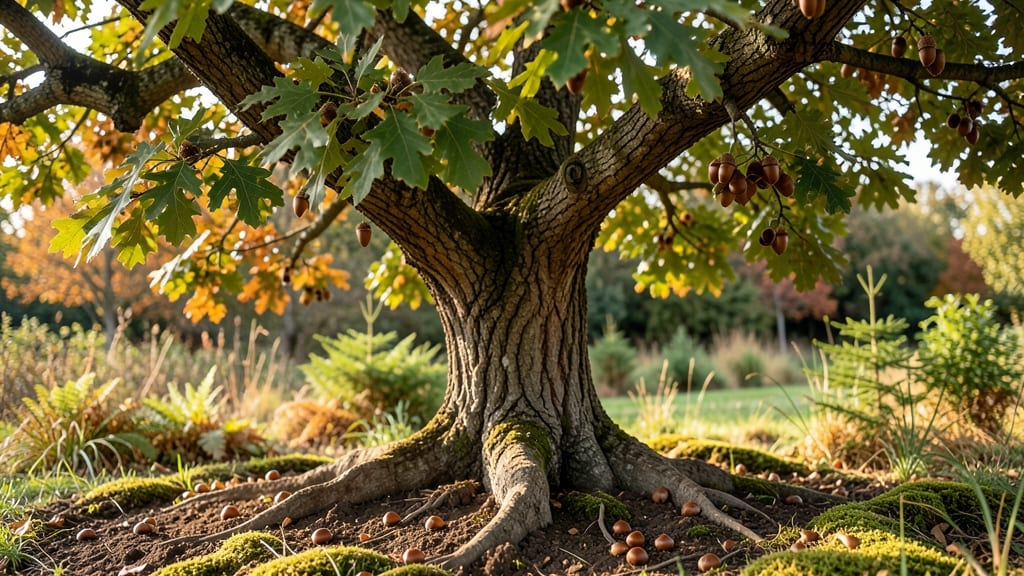
A tomato is to a garden what a tree is to a forest ecosystem—providing structural support, nourishment, and habitat for surrounding life. Their role creates balance and sustains growth in small-scale cultivation spaces.
A tomato's ecological impact mirrors that of trees in forests. 🌱 They attract pollinators like bees and butterflies, just as trees host birds and insects, creating a thriving mini-ecosystem.
Their deep roots also improve soil health by breaking up compacted earth and adding organic matter through fallen leaves or pruned branches.
This analogy extends to garden design too. Just as trees form the forest's backbone, tomatoes can serve as vertical anchors in container gardens or raised beds. Their sprawling vines provide shade for delicate plants below, mimicking the canopy effect in natural forests. 🌿 The key difference?
While trees take years to establish, tomatoes deliver rapid results—fruit production in just a few months!
💡 In This Article
- How Tomatoes Function Like Keystone Species in Gardens
- Designing a Forest-Like Garden Using Tomato Analogies
How tomatoes function like keystone species in gardens
Tomatoes act as keystone species in gardens by performing multiple ecological functions that mirror trees in forests. Their deep root systems (reaching up to 3 feet deep) break up compacted soil, improving drainage and aeration—just like tree roots create soil channels that support forest understory plants.
This physical transformation makes space for smaller plants to thrive, much like how forest trees create gaps that allow seedlings to grow.
Their flowering habit plays another critical role: tomatoes attract bees, butterflies, and hummingbirds with their bright blooms, serving as a garden's equivalent to forest canopies that host pollinators.
Studies show a single tomato plant can attract up to 50 pollinators per hour during peak bloom, creating a food chain that benefits other plants. The fruit production then provides food for wildlife, completing the cycle much like forest fruits feed birds and mammals.
Tomatoes also contribute to nutrient cycling through their leaves and stems. When pruned or fallen, these plant parts decompose quickly, adding organic matter and nitrogen to the soil—similar to how fallen leaves enrich forest floors.
This process supports composting systems, where tomato vines can be chopped and buried to create nutrient-rich "green manure" that boosts soil fertility for subsequent plantings.
Structurally, tomatoes provide shade and physical support for companion plants. Their vining habit creates a natural canopy that protects heat-sensitive plants (like lettuce or spinach) from intense sunlight, while their sturdy stems offer trellising opportunities for climbing plants such as cucumbers or peas.
This mimics how forest trees create microclimates that support diverse plant communities below their canopies.
What makes tomatoes uniquely effective is their rapid growth cycle. While trees take years to establish, tomatoes produce fruit in just 60-90 days, delivering immediate ecological benefits.
Their versatile growth forms—whether bush types or indeterminate vines—allow gardeners to customize their role, from ground cover to vertical space-fillers, much like how different tree species occupy various forest layers.
Consider this comparison: A single indeterminate tomato plant can grow 6-10 feet tall, providing shade for a 3-foot radius below it—equivalent to a small tree's canopy.
The difference? Tomatoes do this in a single season, while trees take decades. This makes them the fastest-growing keystone species in any garden ecosystem. 🌿