
Planting
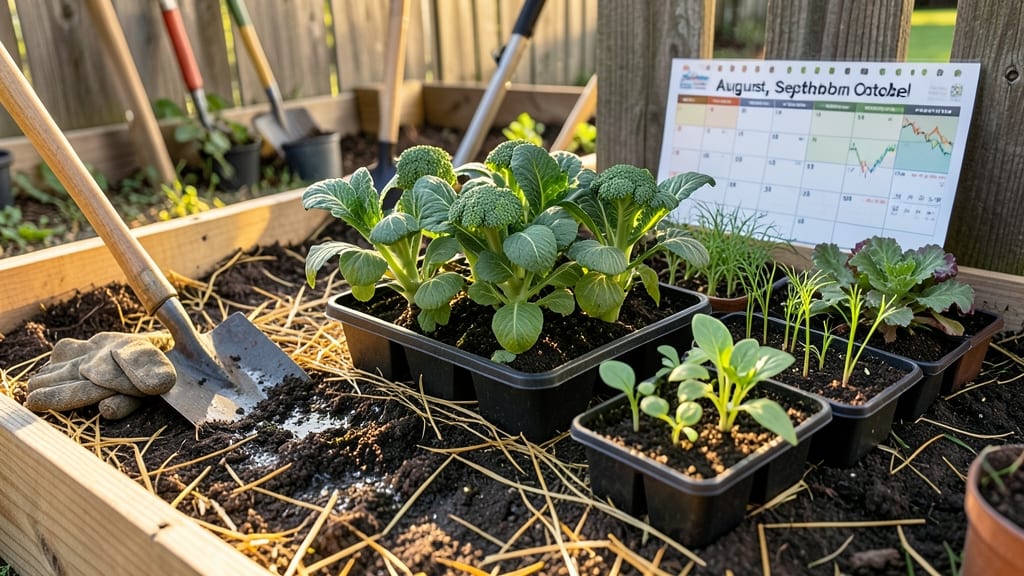
Planting a fall garden in Texas means timing your crops to thrive before the first frost—typically between mid-August and late September for most of the state, with adjustments for your exact Zone 8A/8B location.
Texas gardeners know the fall season brings ideal growing conditions—but planting too early or late can mean wasted effort or frost-killed crops. The key is to start when soil temperatures stay above 60°F while still leaving enough time for harvest before winter’s chill.
This guide breaks down the exact dates for your region, the best crops to grow (from heat-loving okra to cool-season greens), and how to extend your harvest window with simple tricks like row covers and succession planting.
Whether you’re a beginner or a seasoned gardener, you’ll learn how to maximize your fall garden’s potential without risking frost damage—so you can enjoy fresh produce straight from your Texas soil.
Texas fall planting calendar: exact dates for zone 8A/8B by last frost risk
Texas gardeners have a second growing season advantage—fall’s mild temperatures and extended daylight create perfect conditions for heat-tolerant crops like sweet potatoes and collards. But timing is everything: plant too early, and your greens bolt; too late, and frost nips tender leaves.
In Zone 8A/8B, where average first frosts range from November 15-30, your planting window is shorter than you think.
Historical frost data shows North Texas (8A) typically sees its first frost by November 15, while South Texas (8B) can delay until December 1. This means your late-summer to early-fall planting must account for these dates—or risk losing your hard work.
The key is succession planting to stretch harvests until frost arrives.
Use this fall planting calendar to align your cool-season crops with Texas’ frost-free window. For heat-loving varieties like okra and southern peas, plant as early as July-August to mature before cooler temps set in.
Meanwhile, broccoli and kale thrive when seeded 6-8 weeks before frost—so mark your calendar for mid-September in most regions.
⚠️ CRITICAL: Avoid planting frost-sensitive crops like tomatoes or peppers after August 15—they won’t mature before frost. Instead, focus on fast-maturing greens (turnips, radishes) or winter-hardy crops (spinach, cabbage) for late-season harvests.
| Crop Type | Zone 8A Planting Window | Zone 8B Planting Window | Harvest Before | Notes |
|---|---|---|---|---|
| Sweet Potatoes | July 15 – August 15 | July 1 – August 20 | November 15 | Needs 90-120 days; plant slips, not seeds. |
| Collard Greens | August 1 – September 15 | July 20 – September 20 | December 1 | Tolerates light frost; sweeter after cold snaps. |
| Kale | September 1 – October 1 | August 15 – October 15 | December 15 | More tender after frost; harvest outer leaves. |
| Turnips | September 15 – October 15 | September 1 – October 30 | November 30 | Fast-growing; harvest roots at 1-2 inches. |
| Southern Peas | July 1 – August 10 | June 15 – August 15 | November 1 | Drought-tolerant; plant early for long harvest. |
For Zone 8A gardeners, aim to plant cool-season crops like lettuce and spinach by September 15 to harvest before frost. In Zone 8B, you’ve got until October 15 for these same crops—giving you 4-6 extra weeks of growing time.
Use this advantage to succession plant every 2 weeks for continuous harvests.
Pro tip: Adjust for microclimates. Gardens near lakes or urban areas may stay frost-free 1-2 weeks longer than rural spots. Monitor local weather forecasts and use frost cloth to extend harvests by 2-4 weeks if needed.
Even a light frost can ruin crops like basil or cucumbers, so prioritize cold-hardy varieties in late fall.
Don’t forget to prep your
Best fall vegetables for Texas gardens: heat-tolerant vs. cool-season crops
Texas gardeners have a unique advantage with our extended growing season, but choosing the right crops for fall can be tricky. Heat-tolerant vegetables like okra and southern peas thrive even as temperatures dip, while cool-season crops such as broccoli and carrots need cooler weather to flourish.
The key is matching your plants to Texas' Zone 8A/8B climate to maximize harvests before potential frost.
For zero-frost-risk crops, you can plant as late as October in North Texas or even November in South Texas. These include heat-loving staples like collard greens, turnips, and mustard greens that handle mild cold.
Meanwhile, traditional fall favorites like kale and spinach prefer cooler temperatures and should go in the ground 6-8 weeks before your first frost date.
Here's how to decide which crops to prioritize based on your Texas location and frost risk:
Heat-Tolerant Crops
- ✅ Okra - Plant June-October
- ✅ Southern Peas - Plant April-November
- ✅ Sweet Potatoes - Plant April-May
- ✅ Collards - Plant August-October
Cool-Season Crops
- ❌ Broccoli - Plant August-September
- ❌ Carrots - Plant September-October
- ❌ Spinach - Plant September-October
- ❌ Kale - Plant August-September
Heat-tolerant crops handle Texas' lingering warmth better but may bolt in extreme cold. Cool-season crops need cooler temps to thrive but can suffer in lingering summer heat.
If you're in North Texas (Zone 8A), aim to plant cool-season crops by mid-September to ensure harvest before potential November frosts. In South Texas (Zone 8B), you've got more flexibility—some crops like turnips and radishes can even handle light frosts after establishment.
For heat-tolerant varieties, focus on Southern exposure beds to capture residual warmth.
These crops often produce better when planted late summer into early fall, avoiding the harshest summer heat while still benefiting from long daylight hours. Okra, for example, can continue producing until first frost if given consistent moisture.
Don't overlook succession planting for fall crops. By staggering plantings every 2-3 weeks, you can extend harvests well into December for hardier varieties. Collard greens and mustard greens are excellent choices—they sweeten after frost and provide color to your winter garden.
Remember, Texas' fall harvest windows vary by crop: Okra matures in 50-60 days, while broccoli takes 70-90 days. Plan accordingly to avoid ending up with mature crops right before winter sets in. With the right timing, you can enjoy fresh homegrown greens through the holidays! 🌱