I still remember the first time I dug my hands into the earth as a kid, helping my abuelo tend his vegetable patch in Arizona. There was something about watching seeds sprout into life that stuck with me. Now, I run *Garden Porch* to share the joy of growing your own food, whether you're a seasoned gardener or just starting with a windowsill herb garden. My approach is simple: practical tips, honest advice, and a little bit of magic in the dirt.
💥 Quick Answer Zone three gardening requires selecting cold-hardy plants that survive temperatures between -30°F and -40°F, with a focus on frost-resistant vegetables like kale and potatoes, while adapting to shorter…
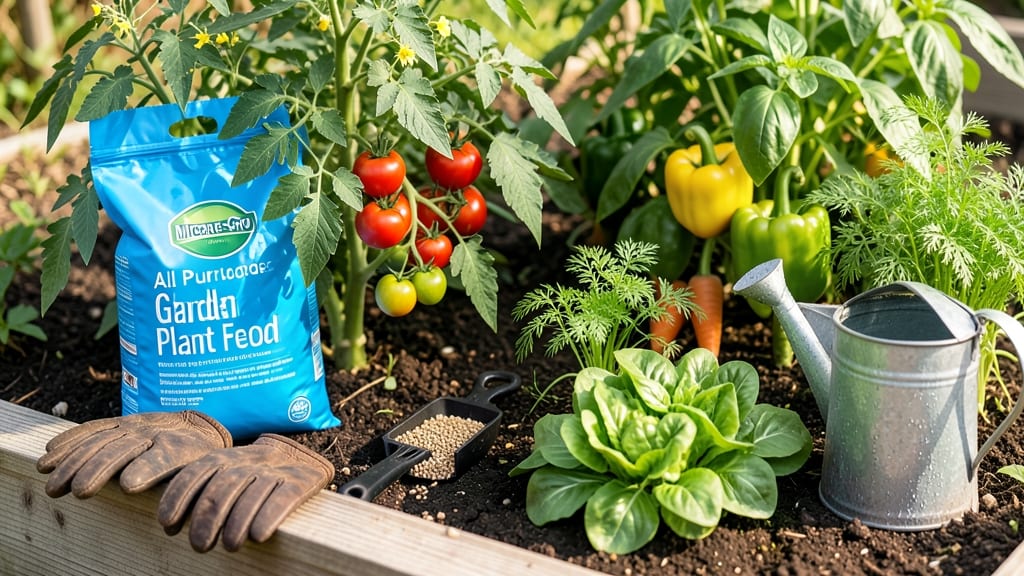
💥 Quick Answer Using Miracle Gro for vegetable gardens delivers rapid nutrient delivery to speed up growth, though its synthetic formula may need dilution to align with organic gardening goals. Apply it carefully…
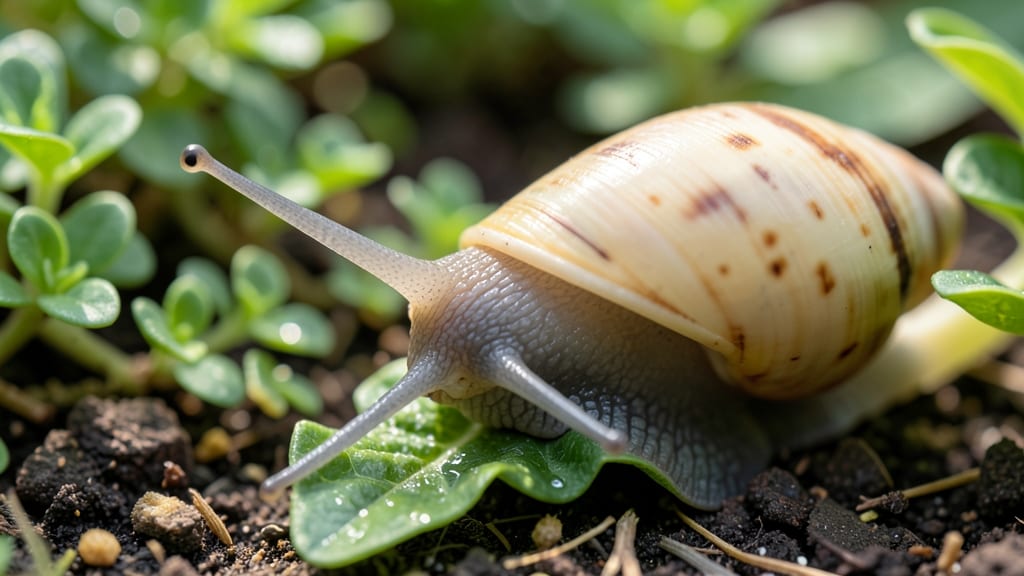
💥 Quick Answer Birds like thrushes and blackbirds, amphibians such as frogs and toads, mammals like hedgehogs and shrews, and beneficial insects including ground beetles and parasitic wasps eat garden snails. These…
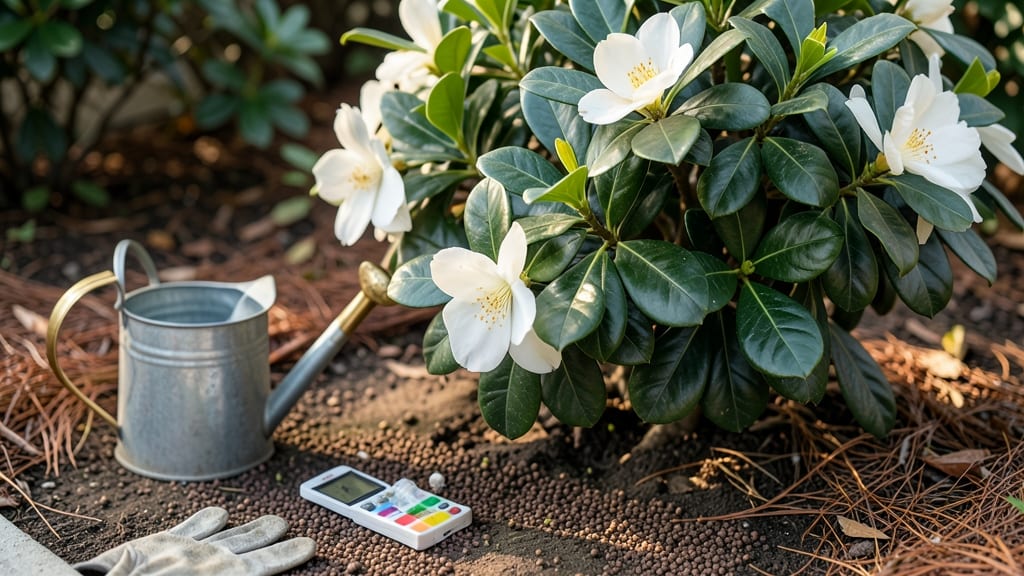
💥 Quick Answer To feed gardenias properly, maintain acidic soil (pH 5.0–6.5) with balanced nutrients: use slow-release fertilizer in spring, nitrogen-rich feed after blooming, and monthly applications of citrus peel or…
💥 Quick Answer A tomato is to a garden what a tree is to a forest ecosystem—providing structural support, nourishment, and habitat for surrounding life. Their role creates balance and sustains growth in small-scale…
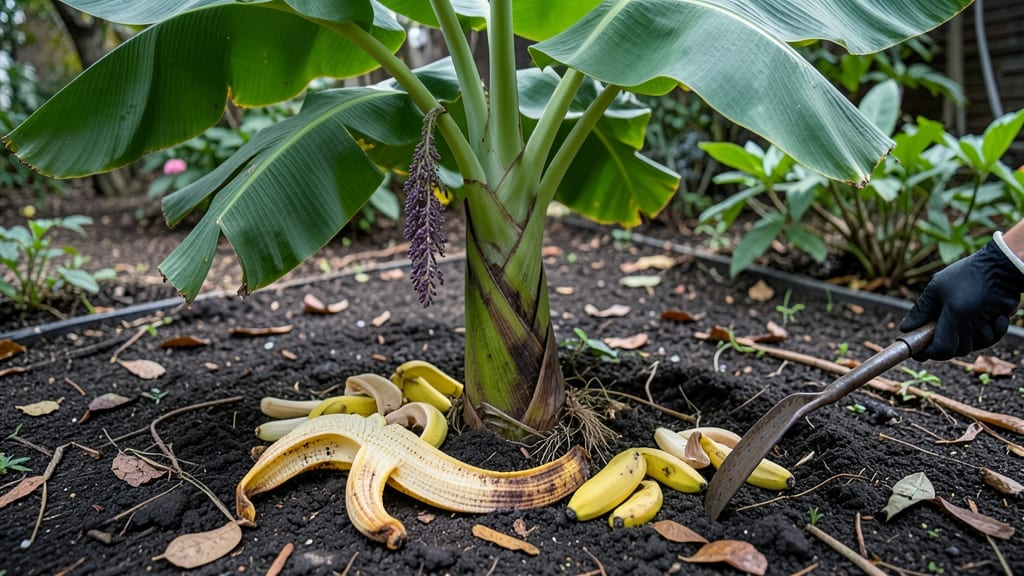
💥 Quick Answer Banana skins in the garden act as natural pest deterrents against aphids and ants while enriching soil with potassium, which promotes healthier plant growth when used as compost or buried near roots…
💥 Quick Answer Secret Garden Seattle provides a curated selection of Pacific Northwest-adapted plants, rare botanicals, and seasonal blooms through its urban farm and nursery network, emphasizing organic growing methods…
💥 Quick Answer Using the used coffee grounds for the garden boosts soil fertility by adding nitrogen, reducing acidity levels, and deterring pests like slugs, while also stimulating beneficial microbes and speeding up…
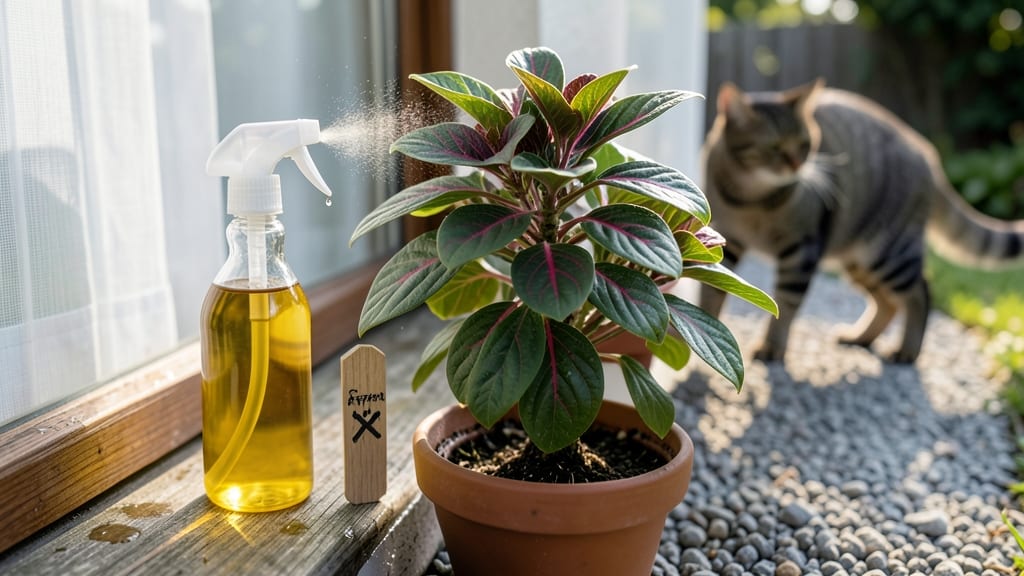
💥 Quick Answer To repel cats from your garden, use natural sprays like citrus peels mixed with water, diluted vinegar, or commercial cat repellent sprays containing essential oils such as eucalyptus or lavender. Apply…
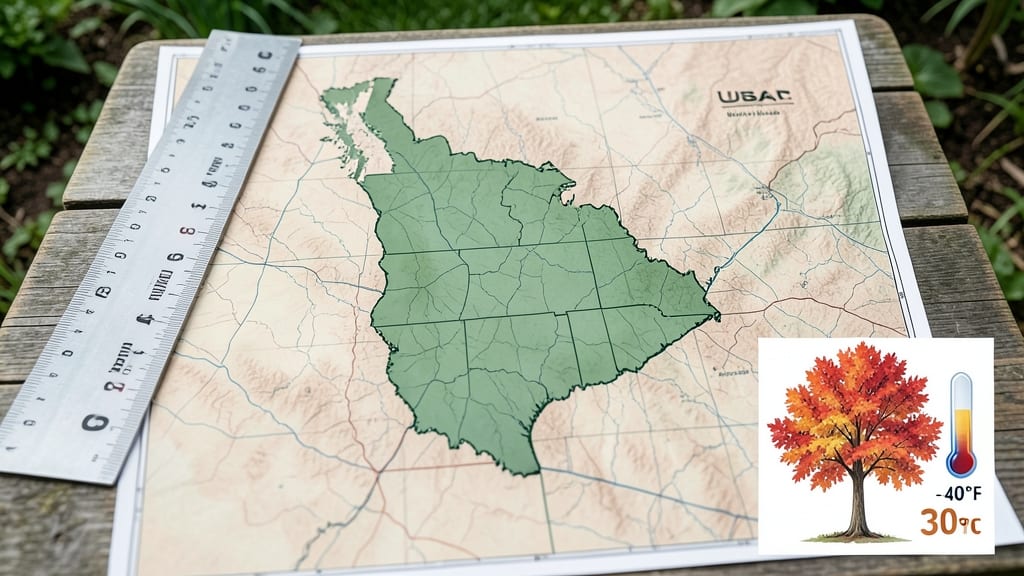
💥 Quick Answer Michigan's gardening zones range from 4 through 6, with the Lower Peninsula primarily in Zones 5b-6a and the Upper Peninsula typically falling into Zones 4a-5a, which directly affects what plants thrive…