I still remember the first time I dug my hands into the earth as a kid, helping my abuelo tend his vegetable patch in Arizona. There was something about watching seeds sprout into life that stuck with me. Now, I run *Garden Porch* to share the joy of growing your own food, whether you're a seasoned gardener or just starting with a windowsill herb garden. My approach is simple: practical tips, honest advice, and a little bit of magic in the dirt.
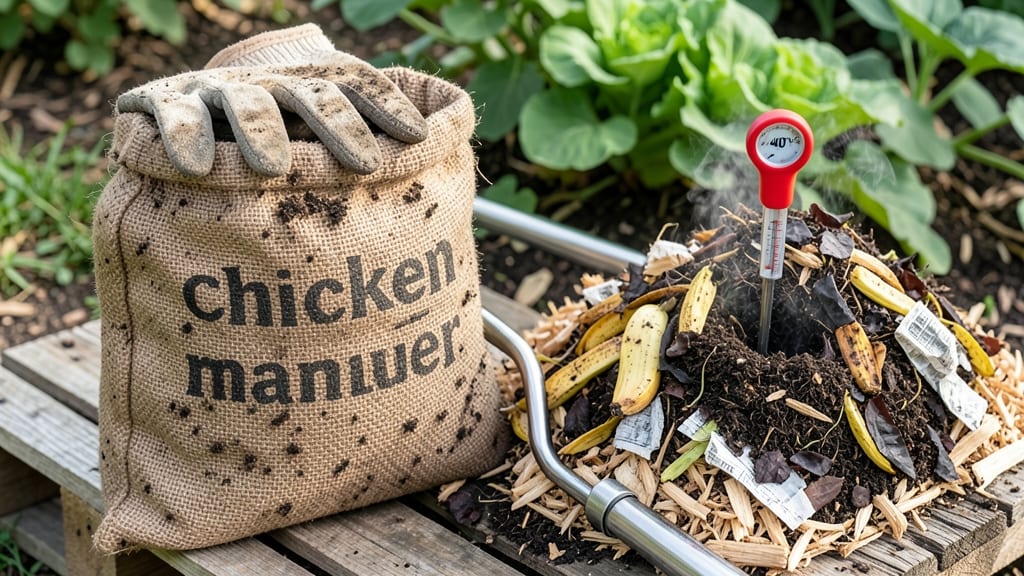
💥 Quick Answer Chicken poop is good for gardens when composted properly, as it adds valuable nitrogen and phosphorus that boost plant growth—but fresh droppings can harm plants by burning roots and spreading harmful…
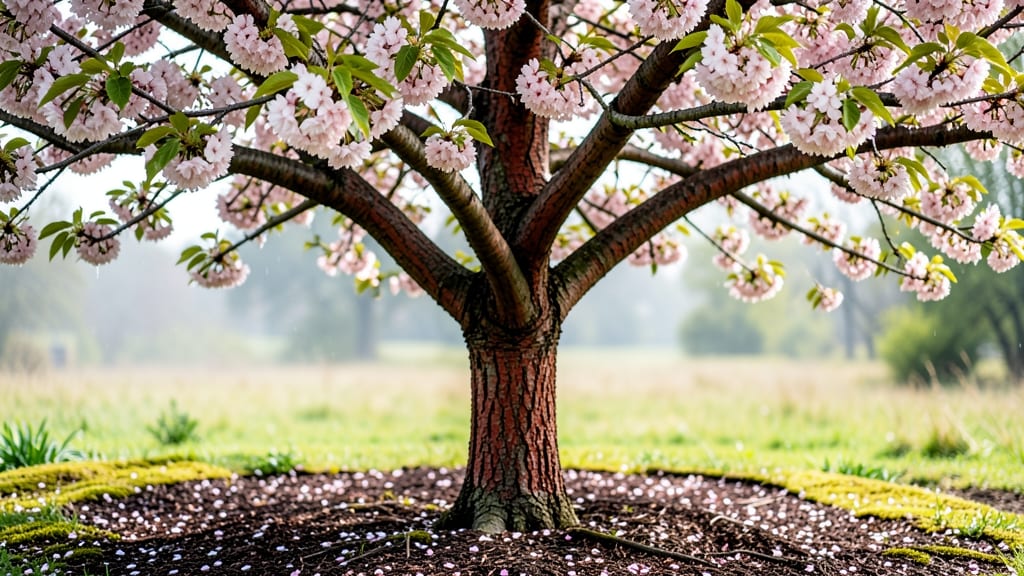
💥 Quick Answer When a gardener prunes trees, the goal is to maintain their health by removing dead or diseased branches, improving structural balance, and increasing airflow—using sharp tools during late winter or early…
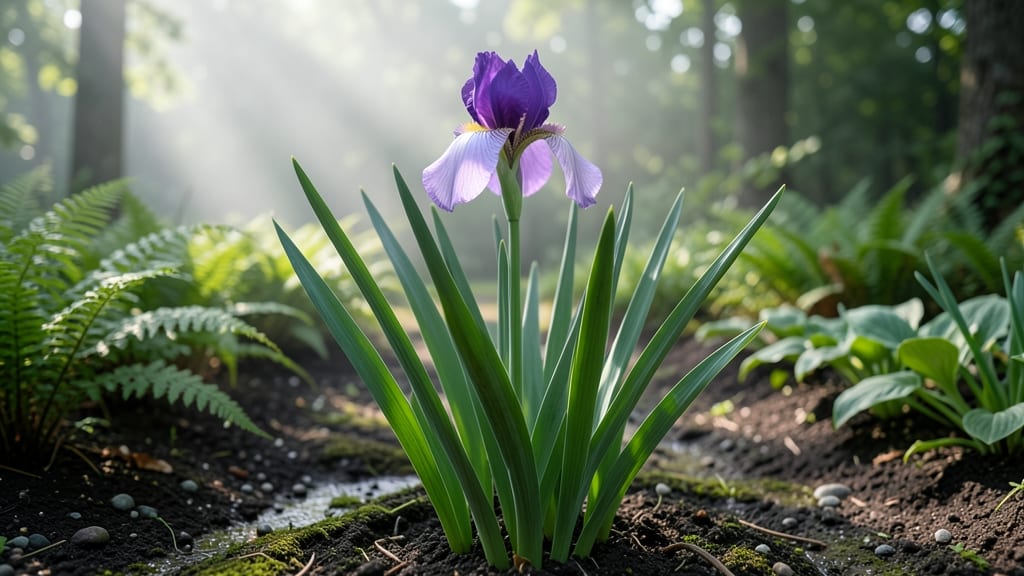
💥 Quick Answer Cultivating James Irvine Garden perennials means prioritizing well-draining soil, full sun exposure, and consistent watering during their early growth phase. Regular pruning of dead foliage in spring and…
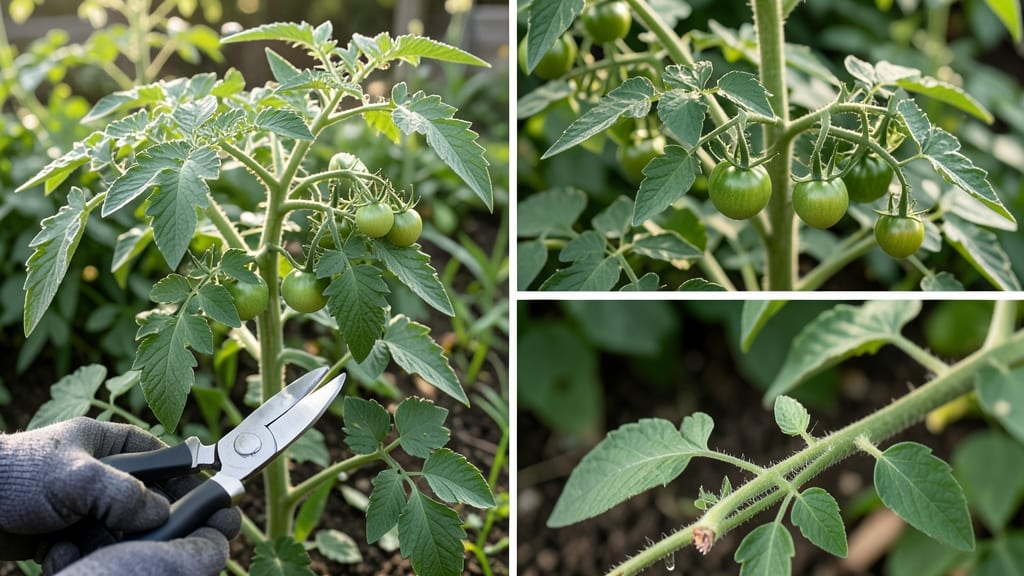
💥 Quick Answer Thinning in gardening means removing excess seedlings or overcrowded plants to give remaining ones more space, nutrients, and sunlight, which improves growth, yield, and disease resistance. It’s a…
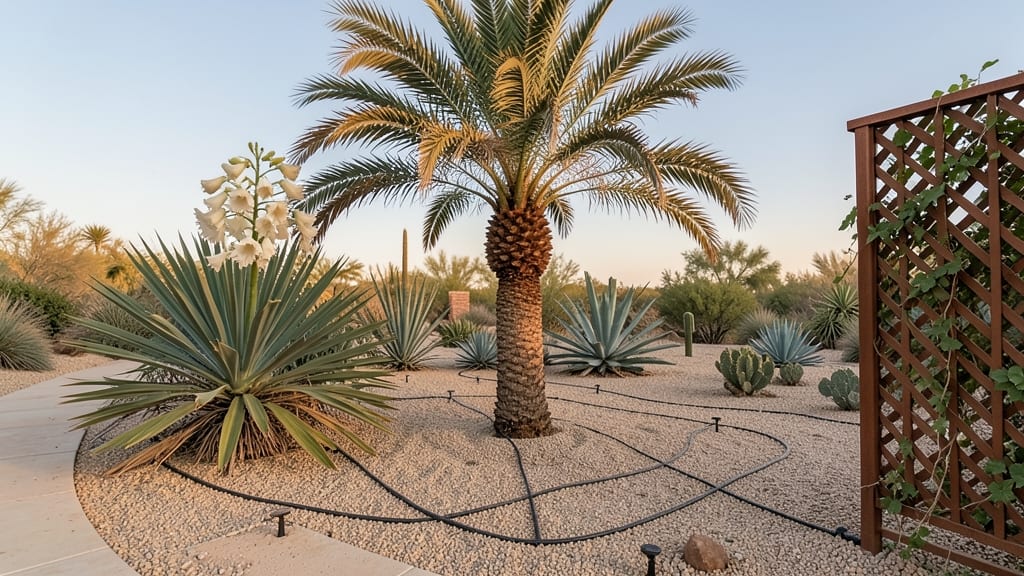
💥 Quick Answer Moorten Botanical Garden in Palm Springs features stunning desert landscapes with drought-resistant flora, curated themed gardens like the Japanese Zen rock garden and Mediterranean courtyard, plus…
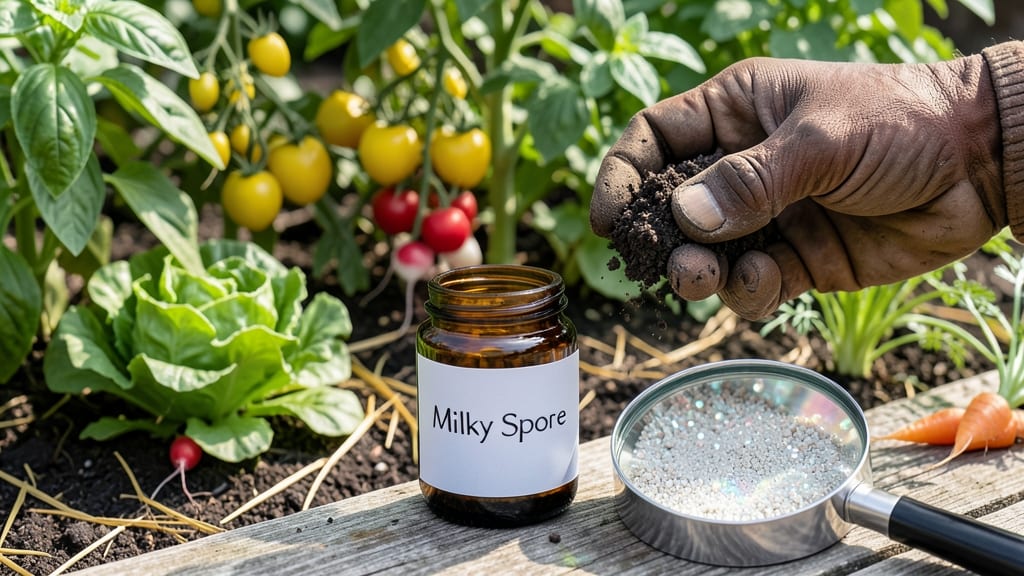
💥 Quick Answer Milky spore is safe for vegetable gardens when used properly, as it specifically targets grubs and beetle larvae without damaging plants. However, its effects on soil microbes and long-term fertility…
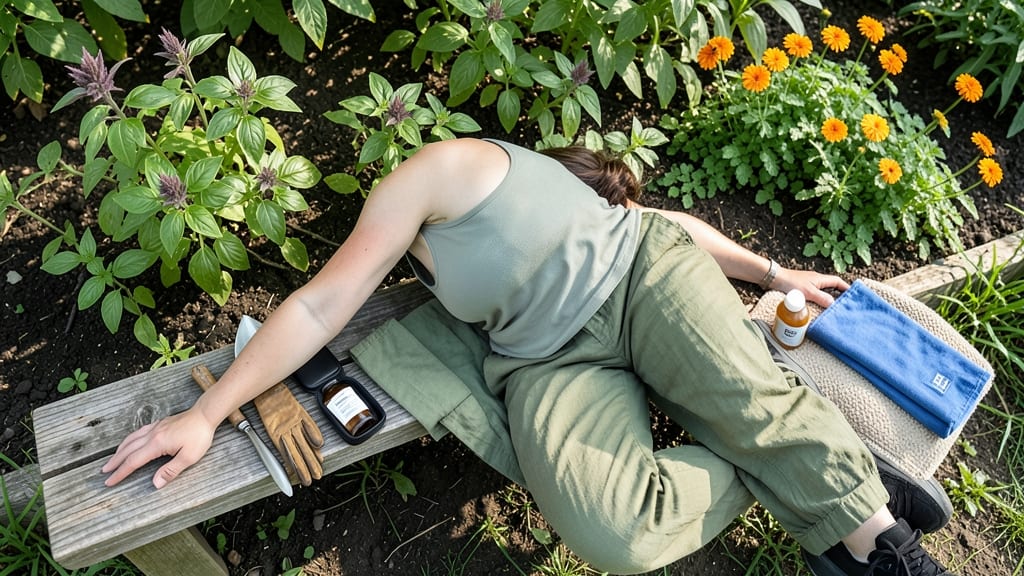
💥 Quick Answer Treating lower back pain after gardening requires immediate relief through gentle movement, ice packs for acute discomfort, and over-the-counter anti-inflammatories like ibuprofen. Stretching your…
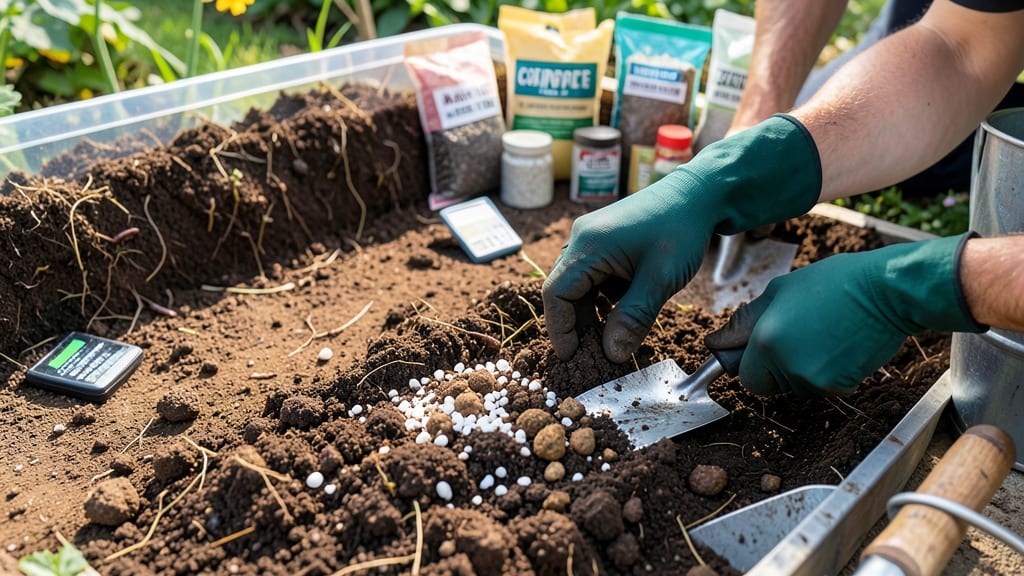
💥 Quick Answer To mix into garden soil, incorporate organic materials like compost, aged manure, or coconut coir to enhance drainage, nutrient availability, and microbial activity. These amendments also help balance…
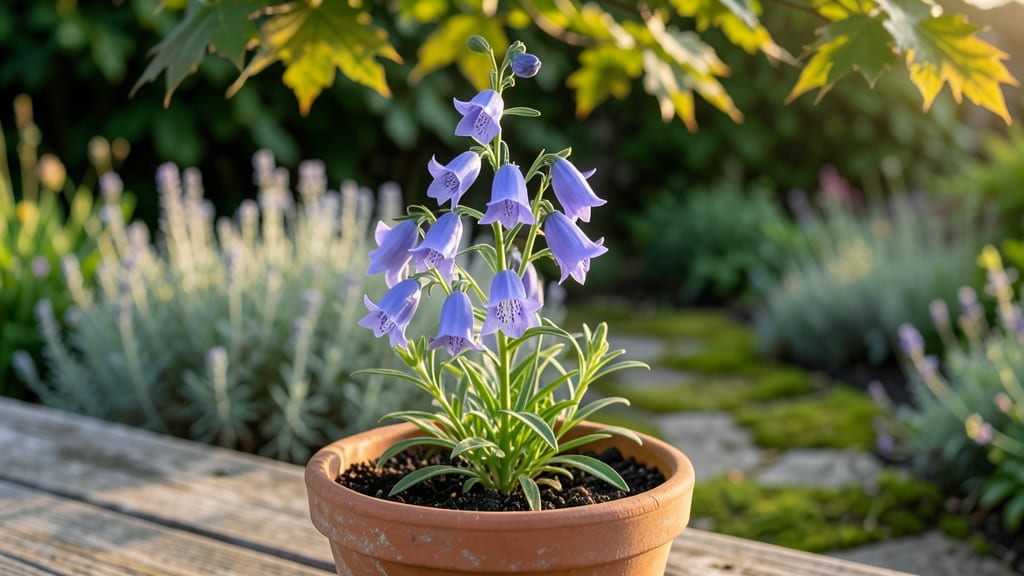
💥 Quick Answer Creating weather bell gardens means choosing plants that match your local climate zone for year-round beauty and durability. Focus on hardy species that handle seasonal changes and drought conditions with…
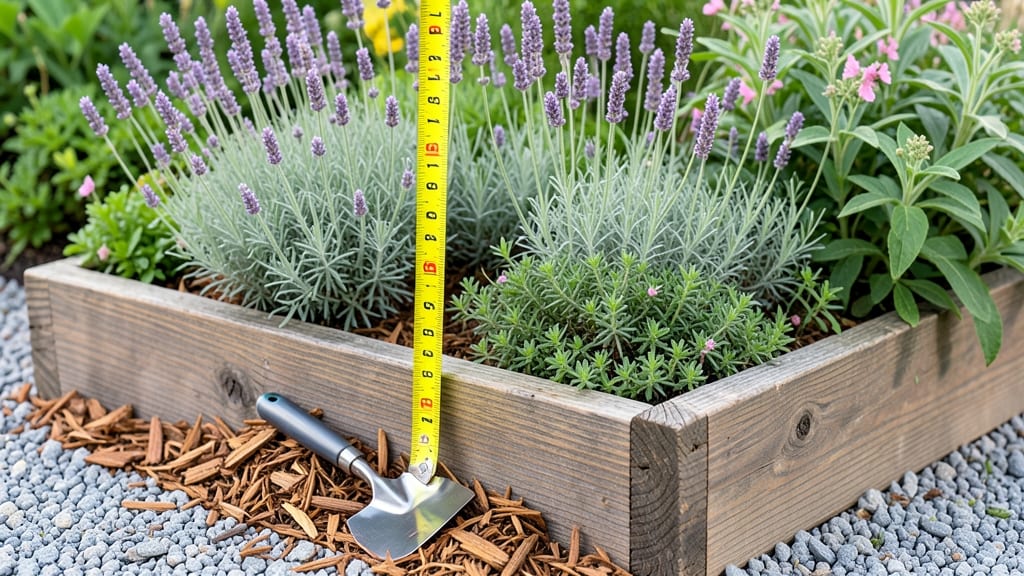
💥 Quick Answer The ideal garden bed height for most plants is 6 to 12 inches deep, creating a total height of 12 to 18 inches (including soil base) that promotes strong root development, proper drainage, and fewer…