I still remember the first time I dug my hands into the earth as a kid, helping my abuelo tend his vegetable patch in Arizona. There was something about watching seeds sprout into life that stuck with me. Now, I run *Garden Porch* to share the joy of growing your own food, whether you're a seasoned gardener or just starting with a windowsill herb garden. My approach is simple: practical tips, honest advice, and a little bit of magic in the dirt.
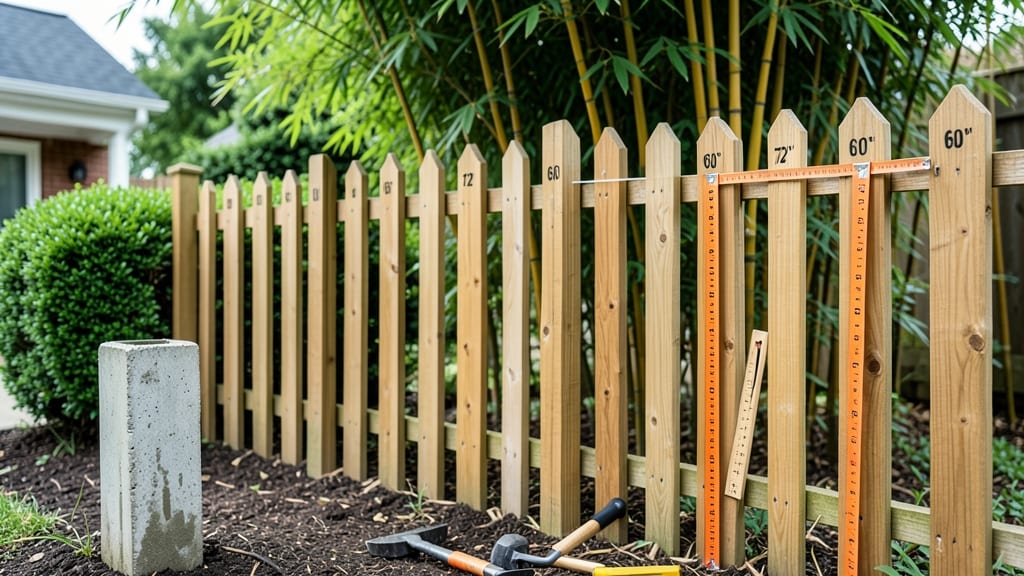
💥 Quick Answer Determining how high a garden fence should be depends on local regulations and your privacy needs, with most residential properties falling between 4 to 6 feet —always verify zoning laws before…
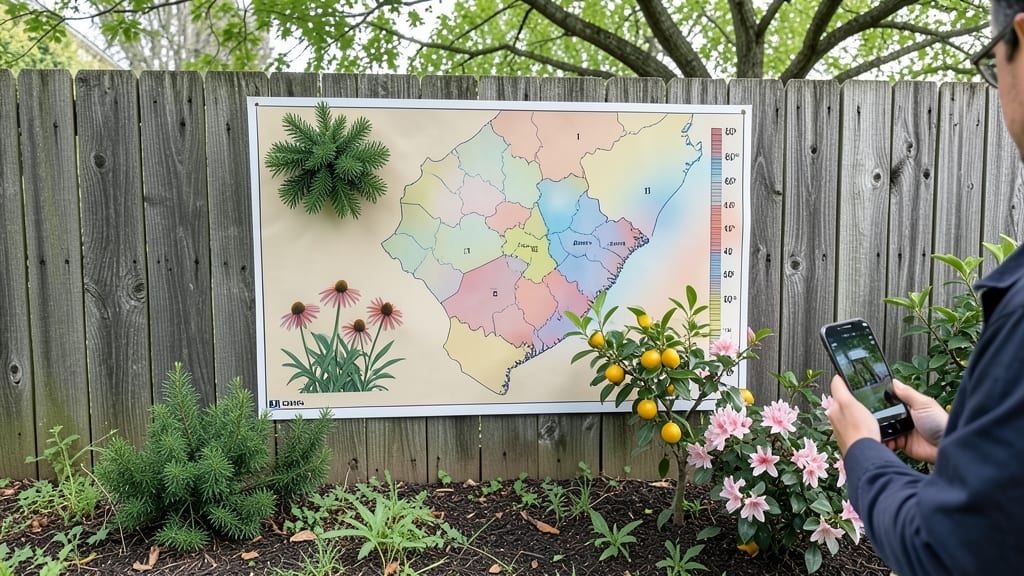
💥 Quick Answer Understanding US gardening zones helps you select plants that will flourish in your specific climate, using the USDA Plant Hardiness Zone Map that organizes the country into 13 temperature-based zones…
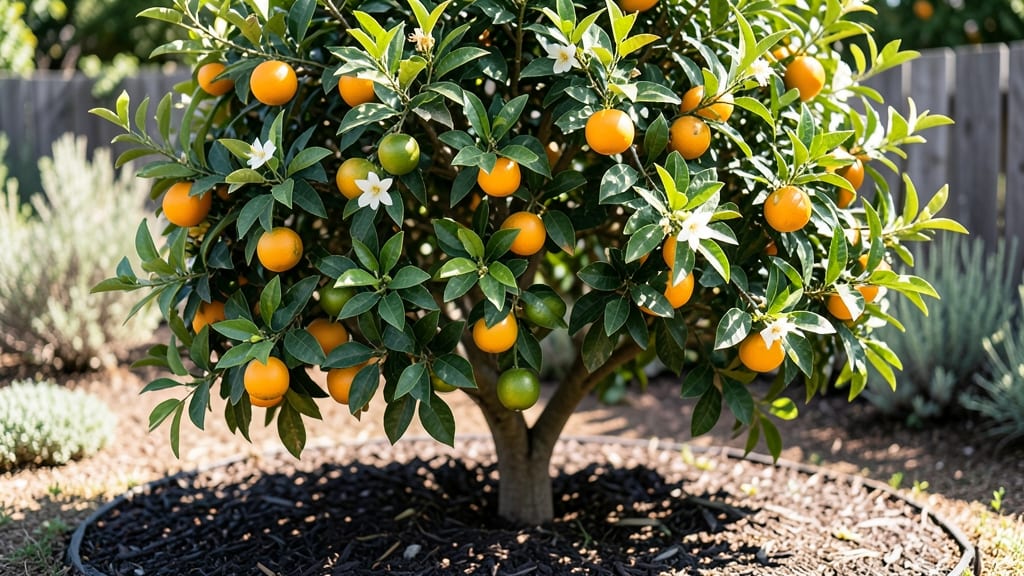
💥 Quick Answer Garden Zone 9B provides a year-round growing climate with winter lows between 25-30°F, perfect for frost-sensitive plants such as citrus trees, bougainvillea, and hibiscus alongside cool-season vegetables…
💥 Quick Answer To fertilize your garden effectively, time applications to early spring before planting, mid-summer for flowering plants, and fall for cool-season crops, while soil tests reveal exact nutrient needs and…
💥 Quick Answer To make gardenia flowers deer-proof, use physical barriers like fencing or mesh, plant deer-resistant companions nearby, or apply natural repellents such as garlic-based sprays. Cedar mulch also creates…
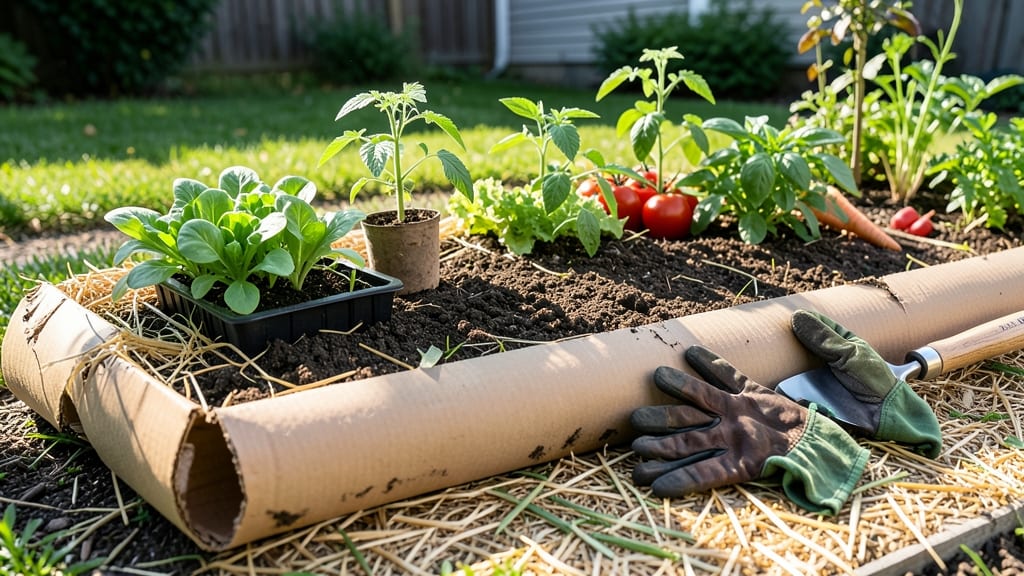
💥 Quick Answer Lasagna gardening is a no-dig method that builds fertile garden beds by layering organic materials like cardboard, compost, and mulch to create rich soil through natural decomposition. This technique…
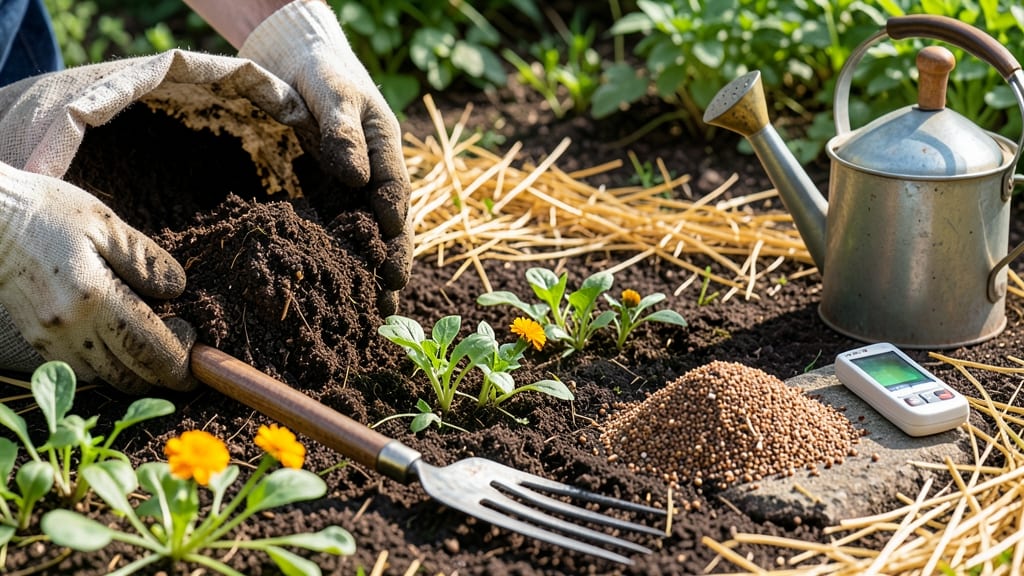
💥 Quick Answer To add to garden soil in spring, incorporate nutrient-rich materials like compost, aged manure, or worm castings to enhance soil structure and fertility. These amendments improve moisture retention…
💥 Quick Answer Garden soil is used as a nutrient-rich growing medium that supports root development, retains moisture, and provides essential minerals for healthy plant growth, including vegetables, flowers, and shrubs…
💥 Quick Answer Using seashells in your garden enhances soil quality by improving drainage and raising pH levels, while their sharp edges and calcium content act as natural deterrents against slugs and snails. For quick…